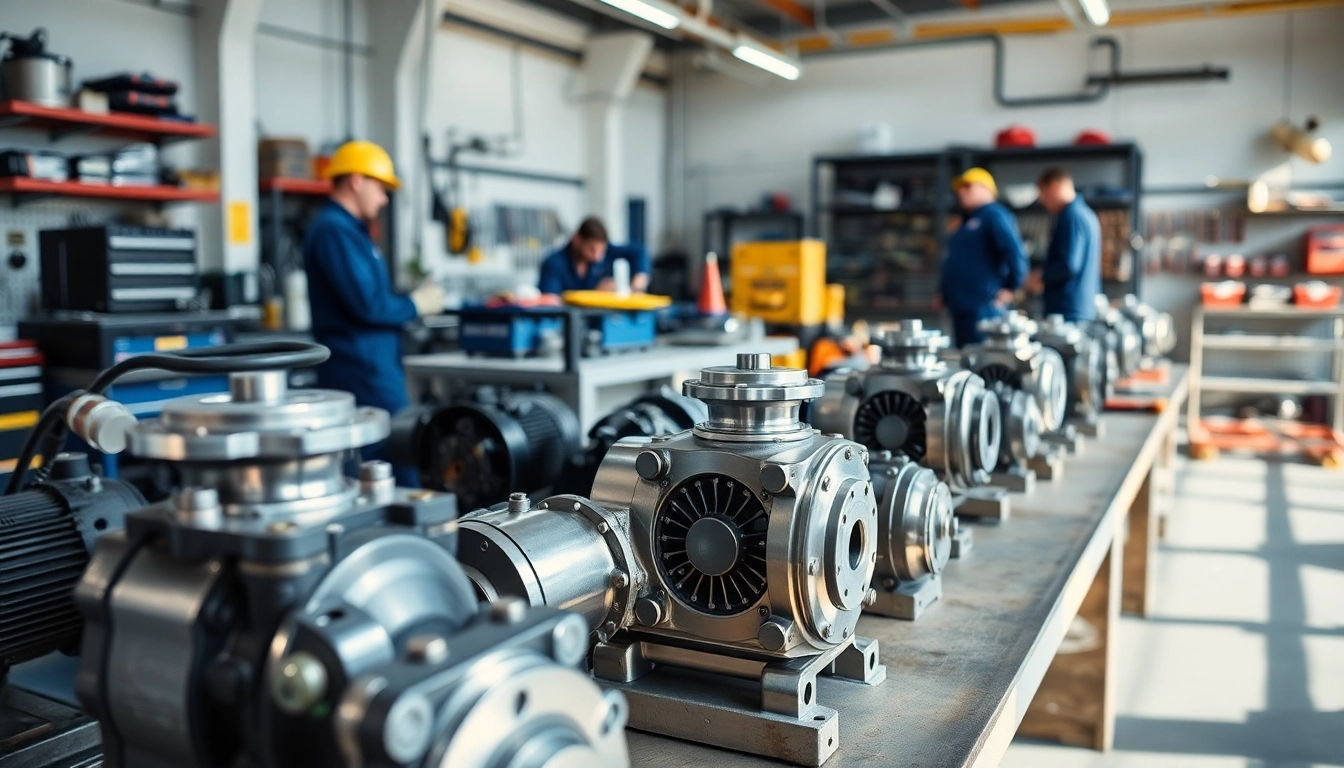
Understanding Hydraulic Pump Services
Hydraulic systems are an integral part of many industrial, agricultural, and construction processes, harnessing the power of fluid dynamics to provide force and movement. At the heart of these systems is the hydraulic pump, which converts mechanical energy into hydraulic energy. The efficiency and reliability of hydraulic systems depend heavily on these pumps, making hydraulic pump services essential to maintaining optimal performance and longevity.
What are Hydraulic Pumps?
Hydraulic pumps are devices that generate flow in hydraulic systems. They work by creating a vacuum, which allows hydraulic fluid to be drawn into the pump from a reservoir. Once inside, the pump pushes the fluid pressurized into the hydraulic system, enabling machinery to operate efficiently. There are various types of hydraulic pumps, including gear pumps, piston pumps, and vane pumps, each serving specific functions and applications.
Importance of Hydraulic Pump Services
Hydraulic pump services are crucial for several reasons. Regular maintenance and timely repairs can enhance the efficiency of hydraulic systems, prolong the lifespan of pumps, and reduce the risk of sudden failures that can lead to costly downtimes. Additionally, hydraulic systems often operate under high pressure, meaning even minor malfunctions can result in dangerous situations. Therefore, ensuring that hydraulic pumps are consistently monitored and maintained is vital for operational safety.
Common Types of Hydraulic Pump Services
Hydraulic pump services encompass a range of activities aimed at keeping pumps functional and efficient. Common types of services include:
- Routine Maintenance: Scheduled checks to assess the condition of pumps, ensuring fluids are at optimal levels and that there is no visible wear and tear.
- Repairs: Addressing specific issues such as leaks, low pressure, or abnormal noises, often involving the replacement of defective components.
- Remanufacturing: Rebuilding pumps to restore them to like-new condition, which can be more cost-effective than purchasing new equipment.
- Performance Diagnostics: Using advanced diagnostic tools to evaluate pump performance and identify potential issues before they escalate.
Choosing the Right Hydraulic Pump Service Provider
Selecting a service provider for hydraulic pump services is a critical decision that can affect the productivity and safety of your operations. Understanding what to look for can help you make an informed choice.
Key Qualities to Look For
When evaluating potential hydraulic pump service providers, consider the following qualities:
- Experience: Look for providers with a proven track record and extensive experience in hydraulic services.
- Technical Expertise: Ensure that their technicians are skilled, certified, and knowledgeable about various types of hydraulic systems and pumps.
- Customer Service: Strong customer support is indicative of a company’s commitment to understanding and meeting client needs.
- Equipment and Facilities: A well-equipped facility is essential for carrying out repairs accurately and efficiently.
Questions to Ask a Service Provider
Before committing to a service provider, ask the following questions:
- What is your experience with my type of hydraulic pump?
- Can you provide references from past clients?
- What is included in your service packages?
- Do you offer any warranties or guarantees on your work?
- What are your turnaround times for repairs?
Understanding Service Packages
Many hydraulic pump service providers offer various service packages that can be tailored to your specific needs. Understanding the contents of these packages can help you choose the best options for your operations. Typical packages may include:
- Basic Inspection: A thorough review of pump performance and conditions.
- Comprehensive Maintenance: Includes everything in the basic inspection plus routine fluid changes and minor repairs.
- Emergency Services: Rapid response services for unexpected pump failures or breakdowns.
Common Hydraulic Pump Issues and Solutions
Identifying issues early allows for swift interventions and can prevent costly downtime. Below are some common hydraulic pump problems and their solutions.
Identifying Common Pump Failures
Several signs may indicate a hydraulic pump failure, including:
- Strange Noises: Grinding, whining, or knocking sounds may signify internal damage.
- Fluid Leaks: Any visible fluid around the pump indicates leaks that need immediate attention.
- Overheating: Excessive heat can damage internal components and often results from insufficient lubrication or overloading.
- Low Output Pressure: A drop in output pressure can lead to improper machinery operation, often signaling a need for inspection.
Preventative Maintenance Tips
Regular maintenance can help prevent many common issues. Here are some tips:
- Conduct regular inspections for leaks and unusual noises.
- Ensure fluid levels are maintained and that the fluid is clean and free of contaminants.
- Replace filters and hoses as required and according to the manufacturer’s recommendations.
- Train operators to recognize early signs of potential problems.
Service Intervals and Signs for Attention
Most hydraulic pumps benefit from scheduled servicing based on the manufacturer’s recommendations and the intensity of usage. General advice includes:
- Perform comprehensive checks yearly for non-continuous operations.
- For systems with continuous use, consider bi-annual or quarterly inspections.
- Immediate service if you witness any of the failure signs mentioned earlier.
The Hydraulic Pump Repair Process
Understanding the repair process can help demystify the service and build confidence in the provider’s capabilities.
Steps in the Repair Procedure
The hydraulic pump repair process generally involves the following steps:
- Initial Assessment: A thorough inspection to evaluate the pump’s condition and identify specific issues.
- Disassembly: Carefully taking apart the pump to perform a detailed examination of internal components.
- Repair or Replacement: Fixing any defective parts or replacing those that are beyond repair.
- Reassembly and Testing: Putting the pump back together and running tests to ensure everything operates correctly.
- Quality Check: Verifying that the repaired pump meets safety and performance standards.
Tools and Equipment Used
Quality repairs require specialized tools and equipment, including:
- Diagnostic Tools: Instruments for measuring pressure, flow rates, and checking for fluid contamination.
- Precision Instruments: Tools like calipers and micrometers for measuring wear on internal parts.
- Standard Repair Tools: Wrenches, screwdrivers, and other hand tools needed for manual repairs and adjustments.
Quality Assurance Measures
To ensure the reliability of the pumps post-repair, quality assurance measures should be in place:
- Follow industry standards and guidelines during repairs.
- Utilize high-quality replacement parts where necessary.
- Conduct multiple tests post-repair to verify performance and functionality.
Benefits of Professional Hydraulic Pump Services
Engaging professional hydraulic pump services offers numerous advantages that can significantly impact your operations.
Enhanced Equipment Lifespan
Regular maintenance and prompt repairs contribute significantly to the longevity of hydraulic pumps. Preventing small issues from escalating helps ensure that pumps function well over time. A professional service provider can appropriately identify what needs attention, helping to extend the operational lifespan of your hydraulic systems.
Improved Operational Efficiency
When hydraulic pumps operate at optimal levels, they contribute to greater operational efficiency. Regular checks and expert services ensure that machinery runs smoothly, reducing energy consumption and enhancing productivity across various applications. Keeping systems in peak condition minimizes interruptions, allowing for greater output and better service to customers.
Cost-Effectiveness of Regular Maintenance
Investing in preventive maintenance through professional hydraulic pump services is cost-effective in the long run. Regular upkeep reduces the occurrence of major breakdowns, which can incur hefty repair costs and lead to significant downtimes. Understanding the cost-benefits of scheduled service can lead to long-term savings and a more reliable operation.
Frequently Asked Questions
1. How often should I service my hydraulic pump?
Service intervals depend on usage; typically, a yearly service suffices for non-continuous use, while frequent users may need bi-annual checks.
2. What signs indicate my hydraulic pump may need repairs?
Listen for unusual noises, watch for fluid leaks, and monitor for low output pressure, as these can indicate mechanical issues.
3. Can I perform maintenance on my hydraulic pump myself?
While basic upkeep like fluid checks can be DIY, complex repairs should be left to professionals due to safety concerns and equipment needs.
4. What types of pumps can be serviced?
Most hydraulic service providers can handle various pumps, including gear, piston, and vane types, depending on the specific service capabilities.
5. How do hydraulic pump repairs affect system performance?
Timely repairs can restore optimal performance, improving efficiency and reducing energy costs, which benefits the overall system operation.
Contact Information
Call Us: 1 780-452-2876
Email: [email protected]
Address: 13111 159 St NW, Edmonton, AB, Canada, T5V 1H6