- Understanding Derailment: A Comprehensive Guide to the Causes, Prevention, and Impact on Rail Safety
- What is Derailment?
- Causes of Derailment
- Preventive Measures for Derailment
- Real-Life Case Studies of Derailment
- Future Outlook on Derailment Prevention
- Frequently Asked Questions (FAQs)
- Contact Information
Understanding Derailment: A Comprehensive Guide to the Causes, Prevention, and Impact on Rail Safety
Derailment represents a significant concern in the railway industry, occurring when a moving rail vehicle, such as a train, comes off its tracks, leading to both operational disruptions and potential safety hazards. The Derailment incidents can result in severe consequences, from minor disruptions to devastating accidents involving loss of life, injury, and environmental damage. This article delves into the various facets of derailment, including definitions, causes, preventive measures, and future outlooks on rail safety.
What is Derailment?
Definition and Overview
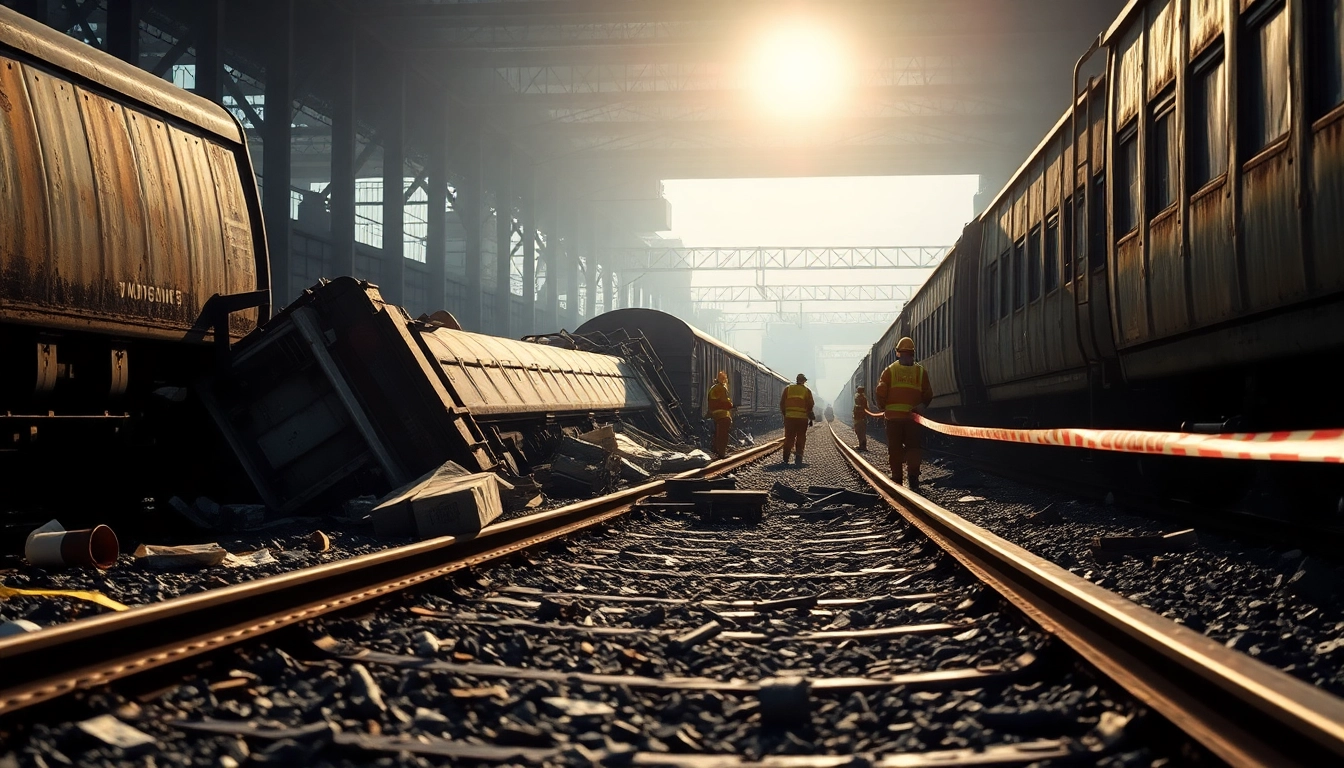
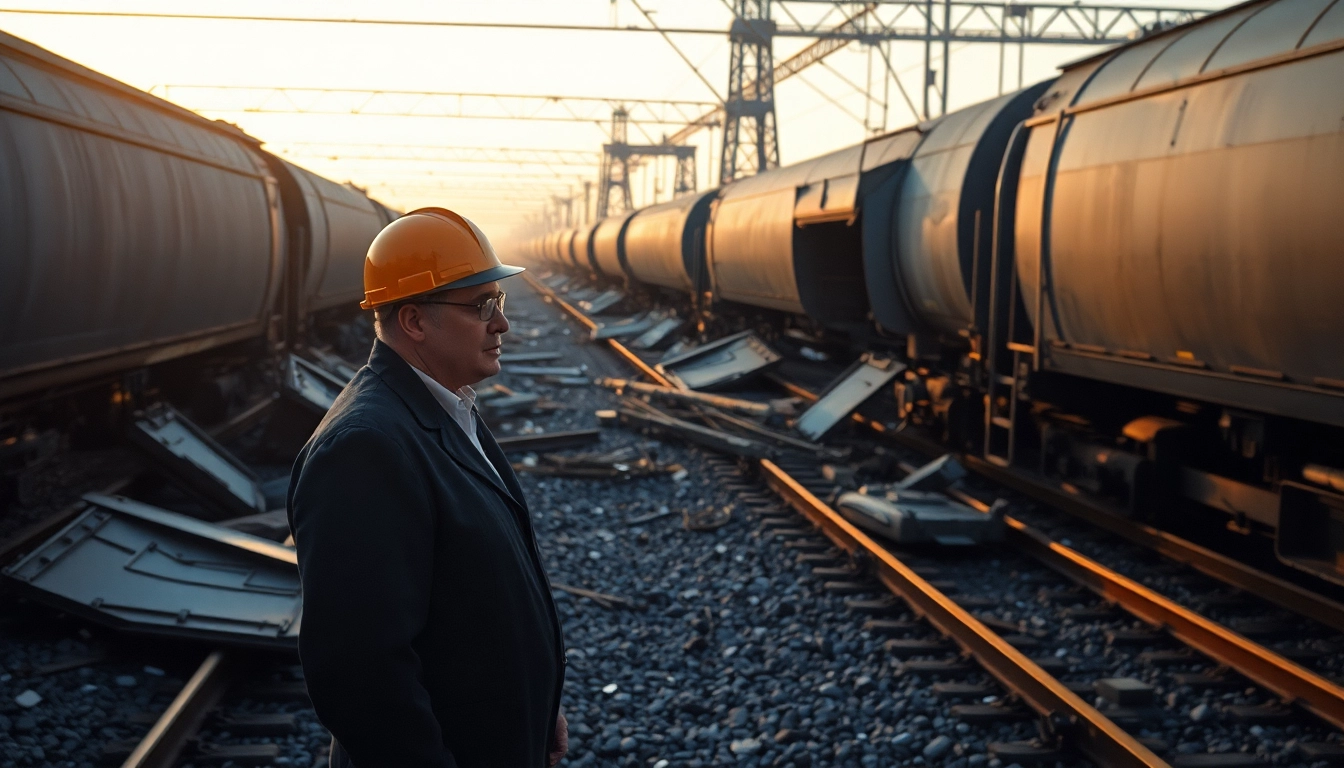
Derailment is a term used in rail transport to describe an incident where a train or other railway vehicle leaves its allocated tracks. Although many derailments may be minor and primarily cause inconvenience, they all necessitate immediate attention to restore safe operations. Incidents range from minor to catastrophic, affecting not only passengers and cargo but also the surrounding infrastructure and communities.
Types of Derailment
Understanding the types of derailment is essential for developing effective preventive measures. Derailments can typically be categorized into the following types:
- Track Derailments: These incidents occur when the train’s wheels lose contact with the track due to track-related failures, often caused by broken rails or misaligned tracks.
- Equipment Derailments: These involve failures related to train equipment, such as braking systems or wheel assemblies, causing the train to derail.
- Environmental Derailments: Environmental factors such as severe weather conditions or geological changes can lead to derailments, making trains more susceptible to accidents during heavy rains or snowfalls.
Consequences of Derailment
The repercussions of a derailment can be extensive, affecting multiple stakeholders including passengers, railway operators, and local communities. Consequences can include:
- Human Impact: Injuries and fatalities can occur among passengers, crew, and emergency responders, with emotional and psychological effects lasting long after the event.
- Economic Costs: Derailments lead to significant financial repercussions, including repair costs, insurance claims, and lost revenues due to service disruptions.
- Environmental Damage: Specifically in cases involving hazardous materials, derailments can result in spills that threaten local ecosystems and water supplies.
Causes of Derailment
Track-Related Failures
A substantial number of derailments stem from track-related failures. These failures can result from:
- Inadequate maintenance leading to the deterioration of railway ties and ballast.
- Defects in track components, such as faulty switches or broken rails.
- Subpar track design, contributing to curvature or gradient issues that challenge train stability.
Regular inspections and maintenance are critical to identifying and resolving these issues before they contribute to derailments.
Mechanical Failures in Trains
Mechanical failures play a crucial role in derailment risks, often resulting from:
- Issues with the train’s braking system, which may fail to stop the train within safe distances.
- Wear and tear on wheels and axles, which can result in degraded performance over time.
- Improper loading of cargo, which may cause imbalances that lead to instability during movement.
Routine mechanical checks and adherence to weight limits are essential in mitigating these risks.
Environmental Factors
Environmental conditions are often unavoidable contributors to derailment. Factors can include:
- Heavy rains or floods, which can undermine track stability.
- Severe weather conditions such as snow and ice, which may impact visibility and track conditions.
- Geological issues like landslides or sinkholes, potentially obstructing or damaging tracks.
Rail companies should invest in weather monitoring systems and geological assessments to prepare for such conditions.
Preventive Measures for Derailment
Regular Maintenance Protocols
Establishing comprehensive maintenance protocols is fundamental in preventing derailments:
- Implementing routine inspections of tracks and rolling stock to identify potential issues.
- Maintaining clear communication channels between operational and maintenance teams to ensure swift responses to identified hazards.
- Establishing a structured maintenance schedule, prioritizing areas frequently impacted by external factors.
Advancements in Rail Technology
Technological advancements play a pivotal role in enhancing rail safety. Innovations such as:
- Real-time monitoring systems that track the condition of rails and train systems can promptly alert operators to potential failures.
- Improved braking technologies that provide enhanced stopping power under various conditions.
- Automated systems for detecting and addressing track issues before they escalate into serious incidents.
Implementing these technologies can significantly reduce the likelihood of derailment.
Training for Emergency Response
Training emergency response teams effectively is vital for minimizing the impact of derailment incidents:
- Conducting regular drills simulating derailment scenarios ensures that teams are familiar with response protocols.
- Developing collaborative plans with local emergency services to facilitate rapid and coordinated responses.
- Providing ongoing training about rail safety, specific hazards, and environmental concerns related to derailments.
Real-Life Case Studies of Derailment
Notable Incidents Over the Years
Examining notable derailments can provide valuable insights and lessons to improve rail safety. Some examples may include:
- Incidents resulting from inadequate maintenance schedules that led to catastrophic failures.
- Environmental catastrophes causing derailments, prompting reviews of mitigation strategies.
Lessons Learned from Past Events
Each derailment provides opportunities to garner insights that can prevent future occurrences. Key lessons include:
- The importance of integrating technology into maintenance practices.
- Utilizing risk assessment frameworks across all operational areas.
- Engaging with communities to raise awareness and preparedness about the risks associated with derailments.
Impact on Communities
Beyond immediate safety concerns, derailments affect the communities surrounding them in several ways:
- Post-incident recovery can take considerable time, disrupting local businesses and services.
- Environmental damage may lead to long-standing ramifications for local ecosystems.
- Community engagement post-incident may foster stronger ties between rail operators and residents, improving communication during emergencies.
Future Outlook on Derailment Prevention
Innovations in Rail Safety
The future of rail safety hinges on continuous innovations such as:
- Smart rail networks using sensors and data analytics to proactively identify hazards.
- Augmented reality (AR) for training staff on emergency response and equipment handling.
- Collaborative technologies allowing real-time data sharing among rail companies and regulatory authorities.
Policy Recommendations
Effective policy frameworks can enhance derailment prevention efforts. Recommendations include:
- Advocating for stricter regulations and standards regarding track maintenance and safety checks.
- Promoting collaborative efforts between the government, rail companies, and local communities to enhance safety and response efforts.
- Encouraging public discourse around investment in railway infrastructure and safety technologies.
Community Engagement and Awareness
Engaging communities in rail safety initiatives is essential. Successful strategies may involve:
- Hosting community forums focused on rail safety education and response training.
- Distributing informative materials that educate the public about the risks and prevention methods relating to derailments.
- Encouraging community feedback and involvement in safety planning to enhance local awareness and preparedness.
Frequently Asked Questions (FAQs)
What is derailment?
Derailment is the occurrence of a train or rail vehicle coming off its tracks, often leading to significant safety hazards and operational disruptions.
What causes derailments?
Causes include track-related failures, mechanical issues, and environmental factors, such as severe weather conditions or geological instability.
How can derailments be prevented?
Preventive measures include regular maintenance, adoption of advanced technologies, and effective emergency response training for personnel.
What are the impacts of derailments on communities?
Derailments can lead to injuries, economic losses, environmental damage, and disruptions to local services, demanding community engagement for recovery.
What is the future of rail safety?
The future of rail safety looks promising with advancements like smart technologies, policy improvements, and enhanced community involvement aimed at preventing derailments.
Contact Information
Email: [email protected]
Call Us: (855) 920 – 8722
Address: 3950 Fossil Creek Boulevard, Suite 106 Fort Worth, TX 76137