What is a Derailment?
Definition and Basic Understanding
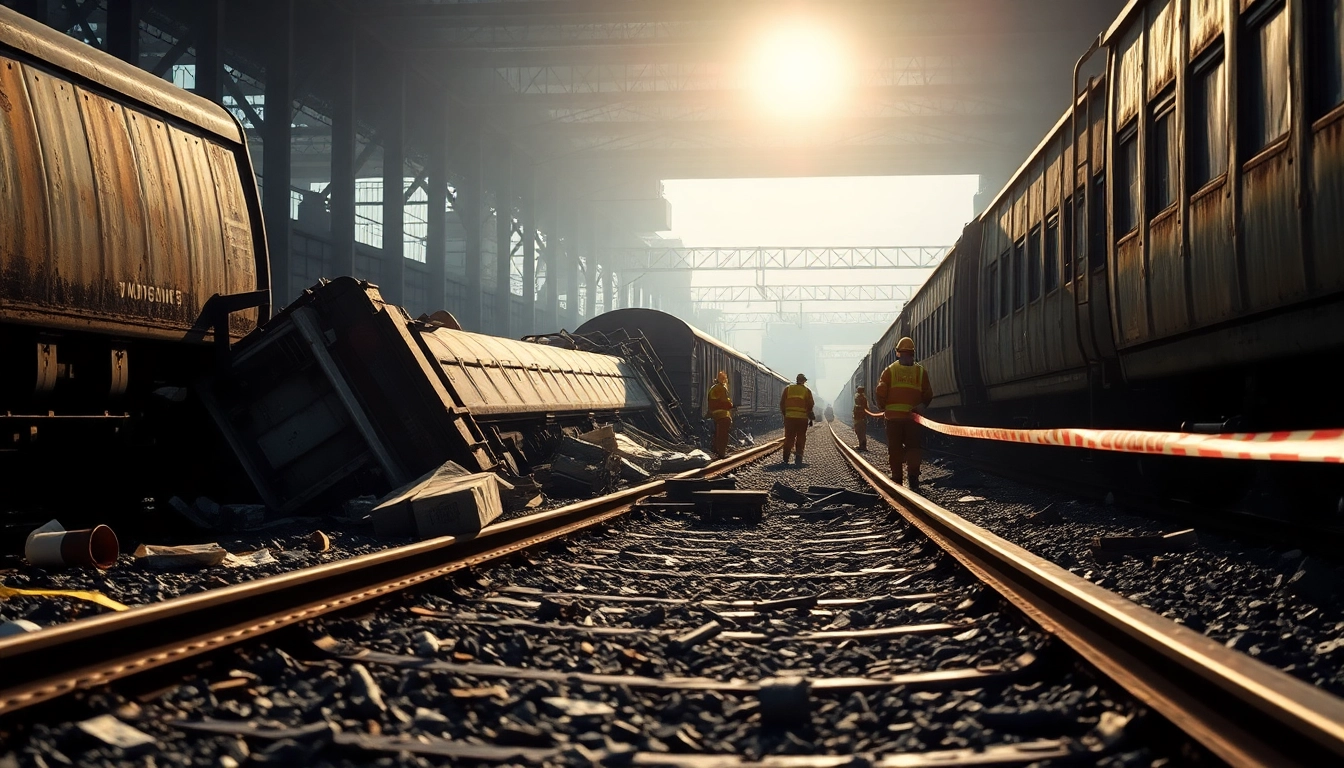
In rail transport, a Derailment is defined as a railway accident that occurs when a moving rail vehicle, typically a train, comes off its tracks. While many derailments are minor and involve limited damage or injuries, they all lead to service disruptions and present significant operational challenges. Understanding derailments involves addressing their various causes, consequences, and the strategies used to manage their occurrence effectively.
Historical Context of Derailments
The history of rail transport is studded with derailments that date back to the early days of railways in the 19th century. Early trains were often poorly constructed, and the tracks designed were less robust than today’s standards, making them susceptible to accidents. Notably, the first recorded derailment took place in the 1820s in England when a locomotive’s wheel slipped off the track, causing a minor accident. As rail technology advanced, the design of both trains and tracks improved, but derailments continued to be a significant concern. Major incidents, such as the 1917 derailment in the United States, emphasized the need for safety measures and better infrastructure.
Key Terms Related to Derailment
- Rolling Stock: Refers to all vehicles that move on a railway, including locomotives and passenger or freight cars.
- Track Gauge: The distance between the inner sides of the rails, which can influence train stability.
- Switches and Crossings: Devices that allow trains to move from one track to another, critical points where derailments often occur.
- Signal Systems: Controls that manage train movements and help prevent accidents by ensuring safe distances between trains.
Common Causes of Derailment
Track Failures and Maintenance Issues
One leading cause of derailments is track failures, which can arise from poor maintenance or wear and tear over time. Factors such as track deformation, misalignment, or damaged rail can lead to trains derailing, often arising from insufficient inspections. Regular and systematic track maintenance is essential; it includes checking the condition of ties, ensuring proper alignment, and addressing any environmental wear, such as the effects of rain or ice on track stability. Effective inspections and timely repairs can significantly reduce the risk of such incidents occurring.
Mechanical Failures and Human Error
Mechanical failures, whether within the train itself or its components, represent another significant cause of derailments. This includes issues with wheel assembly, braking systems, or engine failures. In many instances, human error plays a critical role—be it through miscommunication, operator inattention, or procedural oversights. For instance, improper training or lack of adhering to established safety protocols can lead to mistakes that result in serious accidents. Applying comprehensive training and standard operating procedures is vital in mitigating these risks.
Environmental Factors Contributing to Derailments
Environmental conditions can drastically affect railway operations and increase the likelihood of derailments. Severe weather such as heavy rains, snow, or extreme temperatures can lead to track deformation or landslides, impacting the train’s stability. Flooding of tracks is particularly notorious for derailing trains, as evidenced across various regions previously prone to such challenges. Understanding local environmental conditions and incorporating adaptable strategies into train schedules and infrastructure management can alleviate some of these risks.
Consequences of a Derailment
Impact on Human Safety and Lives
Derailments can lead to severe consequences for human safety, resulting in injuries or fatalities among passengers and crew. Moreover, if hazardous materials are involved, additional threats to nearby communities can arise. Studies show that several derailments have resulted in catastrophic outcomes, turning the need for safety into a priority for railways worldwide. Effective emergency response protocols and passenger safety measures are paramount in reducing the risks associated with such incidents.
Economic Implications for Rail Operators
The economic toll of a derailment extends far beyond immediate cleanup costs. Rail operators may face extensive financial liabilities due to damages, potential litigation, and lost revenue from service disruptions. Additionally, derailments can impact local economies, particularly if they involve freight transport. Proactive risk management strategies could significantly reduce the financial burden that follows a derailment, ensuring recovery is as swift as possible.
Environmental Hazards Associated with Derailments
Environmental impact becomes a crucial consideration during derailments, especially when toxic substances are involved. Incidents can lead to spills that contaminate soil and waterways, and affect animal habitats. For example, the release of hazardous materials can prompt extensive remediation efforts, necessitating collaboration between various agencies to restore affected environments. Awareness and preparedness to handle such environmental hazards can significantly mitigate these risks.
Prevention and Safety Measures for Derailment
Technological Innovations in Rail Safety
Recent advancements in technology have transformed rail safety protocols, allowing for enhanced monitoring systems and predictive analytics. Technologies such as automated track inspection devices and real-time data monitoring can detect anomalies before they lead to accidents, enhancing safety during rail operations. Moreover, the integration of technologies like Positive Train Control (PTC) can prevent accidents caused by human error, making rail transport safer.
Best Practices for Track Inspections
Implementing best practices for track inspections involves thorough training, systematic checks, and diligent record-keeping. Utilizing both visual inspections and advanced technologies, such as drones or sensors, can greatly increase the accuracy and frequency of inspections. Furthermore, following a regimented schedule and using data analytics to prioritize the most vulnerable tracks can lead to critical early interventions, saving time and improving safety outcomes.
Training and Preparedness for Rail Operators
The human element of rail operations is pivotal in enhancing safety. Comprehensive training programs that emphasize risk management, emergency response, and routine equipment checks can cultivate a culture of safety among rail operators. Regular training sessions and drills can prepare crews for emergencies, ensuring they understand their roles and responsibilities. Maintaining a proactive readiness enhances operational safety and minimizes derailment risks.
Response Strategies to a Derailment
Emergency Response Protocols
Developing effective emergency response protocols is critical in managing the aftermath of a derailment. Immediate steps include ensuring the safety of passengers and crew, calling emergency services, and assessing the situation comprehensively. Ready-to-implement emergency frameworks can include designated teams responsible for containing spills, managing injuries, and securing the area to prevent further accidents. Clear communication and cooperation with local authorities and agencies are integral to managing the emergency proactively.
Long-term Recovery and Cleanup Efforts
The long-term recovery from a derailment is an intricate process that requires careful planning and execution. Once immediate threats are managed, focus shifts to cleaning up debris, repairing damaged infrastructure, and restoring service. Engaging specialized teams for cleanup, utilizing advanced tools for contaminant removal, and repairing affected railway segments are steps necessary for full recovery. Long-term monitoring of affected areas may also be employed to evaluate residual effects and establish preventive measures for the future.
Lessons Learned from Past Incidents
Learning from past derailments is essential to improving safety and prevention strategies. Comprehensive investigations into incidents yield valuable insights regarding vulnerabilities in rail infrastructure, operational procedures, and safety protocols. By taking note of fatal flaws and utilizing them to develop more robust safety measures, rail operators can create a safer environment for passengers and cargo alike. Each event should serve as a lesson, fueling ongoing improvements in the rail industry.
Frequently Asked Questions
1. What are the common causes of derailment?
Common causes include track failures, mechanical failures, and human errors. Environmental factors like severe weather also play a role.
2. How often do derailments occur?
Derailments are relatively rare, but they do happen across various rail networks. Monitoring and maintenance significantly influence their frequency.
3. What is the impact of derailments on the environment?
Derailments can result in hazardous material spills, soil and water contamination, and destruction of local wildlife habitats, requiring extensive cleanup.
4. What safety measures can prevent derailments?
Implementing regular track inspections, investing in advanced technologies, and comprehensive crew training are vital preventative measures.
5. What should be done in case of a derailment?
Ensure safety first, call emergency responders, assess the situation, and follow established emergency protocols to manage the incident effectively.
Contact Information
Call Us: (855) 920-8722
Email: [email protected]
Address: 350 Fossil Creek Boulevard, Suite 106, Fort Worth, TX, United States, Texas