Understanding the Railway Company Landscape
Definition and Role of a Railway Company
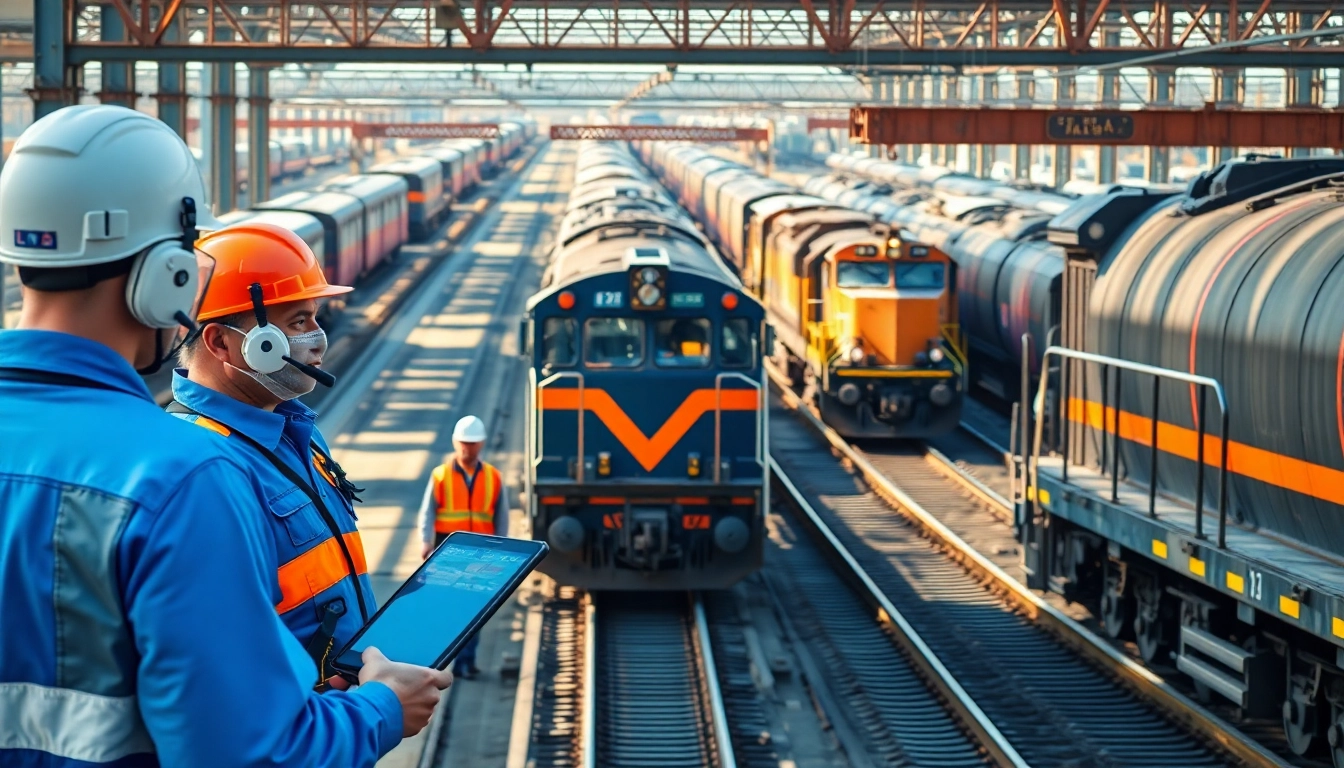
A railway company is an entity that operates train services to transport goods and passengers along established tracks. These companies play a pivotal role in the logistics supply chain and public transport system, enabling the efficient movement of large volumes of freight and commuter traffic. Railway companies often specialize in various operational segments, from freight services—which include the transportation of bulk goods, intermodal shipping, and specialized cargo—to passenger services that facilitate everyday travel for millions of users across countries.
History and Evolution of Railroads
The history of railroads dates back to the early 19th century, marking a significant technological advancement from previous modes of transport. The first successful steam-powered locomotive was developed in the 1820s, revolutionizing how goods and people were moved. By the mid-1800s, extensive railroad networks were being built, promoting industrial growth and enabling commerce on an unprecedented scale. Over the decades, railroads have evolved through technological advancements, shifting from steam engines to diesel and electric locomotives, improving efficiency and expanding their operational capacities.
The Importance of Rail Transport in Logistics
Rail transport remains a cornerstone of logistics due to its cost-effectiveness and ability to move large quantities over long distances. Unlike road transport, railroads can accommodate heavier loads while producing fewer greenhouse gas emissions, making them an environmentally friendly option for freight movement. Rail is particularly advantageous for transporting bulk commodities such as coal, agricultural products, and manufactured goods. Companies leveraging railway transportation often experience reduced costs, enhanced safety, and improved delivery schedules, contributing to the overall efficiency of their supply chains.
Core Services Offered by Railway Companies
Freight Services and Cargo Management
Freight services are a primary focus of many railway companies, representing a substantial revenue stream. Effective cargo management practices are essential in this sector. Railway companies provide various freight solutions, including intermodal transport, where containers are transferred between ships, trucks, and trains to minimize transit times and costs. The integration of technologies like GPS and RFID tracking has led to improved transparency and efficiency in cargo handling, enabling clients to monitor their shipments in real-time.
Passenger Transportation Options
Passenger services, while a smaller segment compared to freight, create vital connectivity for communities. Different options are available for travelers, ranging from local commuter trains to high-speed rail services, which can significantly cut travel times between cities. The implementation of digital ticketing systems and real-time schedule updates have improved the passenger experience. Furthermore, many railway companies now focus on enhancing comfort and amenities onboard, thereby attracting business and leisure travelers alike.
Infrastructure Maintenance and Development
Infrastructure plays a crucial role in the efficiency and safety of railway operations. Railway companies invest significantly in the maintenance and development of their networks, including tracks, bridges, and signaling systems. Regular inspections and upgrades are paramount to ensure safety and reliability. Additionally, innovative approaches, such as predictive maintenance technologies using AI analytics, are gaining traction, allowing for potential issues to be addressed before they disrupt services.
Innovations Reshaping the Railway Company Industry
Technology Integration in Rail Operations
Modern railway companies are increasingly adopting technology to enhance their operations. Technologies like automated train control systems, sensors for predictive maintenance, and advanced data analytics are transforming traditional practices. These innovations enable companies to improve service reliability, reduce operating costs, and enhance safety measures, reflecting the ongoing digital transformation within the industry.
Sustainability Initiatives and Eco-Friendly Practices
As global focus shifts towards sustainability, railway companies are also prioritizing eco-friendly practices. Many are investing in alternative energy solutions, such as electric trains powered by renewable sources. Furthermore, by promoting rail as a greener alternative to road and air transport, companies contribute to reducing the carbon footprint of logistics. Initiatives like carbon offsetting programs and eco-design principles are becoming increasingly commonplace among leading railway operators.
Future Trends in Rail Transportation
Looking ahead, several trends are expected to shape the future of railway companies. Autonomous trains and advancements in AI-driven logistics management will likely redefine operational efficiency. The rise of integrated transport solutions aiming to seamlessly connect different modes of transport presents significant opportunities for growth. Induced improvements in customer experience, underpinned by enhanced digital interfaces, will also play a critical role in ensuring continued relevance in an increasingly competitive landscape.
Challenges Faced by Railway Companies
Infrastructure Upgrades and Funding Issues
Despite their importance, railway companies face numerous challenges, primarily concerning infrastructure maintenance and funding. Many rail networks require significant investment for upgrades, much of which hinges on governmental support and public-private partnerships. Securing consistent funding remains a barrier, as companies navigate budget constraints while trying to modernize infrastructure and expand their services.
Regulatory Compliance and Industry Standards
Compliance with industry standards and regulations is paramount for railway companies, ensuring that safety and operational guidelines are strictly followed. Navigating complex legal landscapes—often varying significantly between regions—can be labor-intensive and resource-draining. Additionally, maintaining compliance with safety protocols, including those for train operation and maintenance, requires ongoing training and education for personnel.
Competition from Other Transportation Methods
The railway industry faces stiff competition from other transportation segments such as trucking, maritime, and air freight. Each of these alternatives offers unique advantages, particularly over shorter distances where the speed of road transport may outweigh rail benefits. Consequently, railway companies must adopt strategic approaches to enhance their service offerings and maintain competitive pricing while demonstrating the advantages of rail transport over other modalities.
Best Practices for Railway Company Operations
Efficient Logistics and Supply Chain Management
Best practices in logistics and supply chain management are crucial for the successful operation of railway companies. This includes optimizing routing and scheduling to minimize downtime and enhance fleet utilization. Leveraging data analytics enables companies to refine their operations based on demand forecasting, ensuring that they can respond swiftly to market changes effectively. Collaboration with partners along the supply chain can also yield synergies that drive efficiency and improve service levels.
Safety Protocols and Regulations
Safety is a top priority within railway operations, requiring stringent protocols to protect both personnel and passengers. Developing comprehensive safety training programs that emphasize risk management, emergency preparedness, and equipment handling can significantly mitigate accidents. Furthermore, regular audits, compliance checks, and the implementation of advanced monitoring systems ensure adherence to safety regulations and continuous improvement of safety standards.
Customer Engagement and Service Quality Strategies
In an increasingly competitive environment, maintaining high levels of customer satisfaction is vital for railway companies. Implementing customer engagement strategies—such as loyalty programs, feedback mechanisms, and personalized communication—can foster customer retention and loyalty. Additionally, investing in service quality—characterized by on-time performance, cleanliness, and onboard amenities—plays a critical role in enhancing the passenger experience, ultimately contributing to the company’s reputation and success.
Frequently Asked Questions
What is the primary function of a railway company?
The primary function of a railway company is to transport goods and passengers efficiently across established rail networks.
How have railroads evolved over the years?
Railroads have evolved from steam-powered engines to modern diesel and electric trains, enhancing efficiency and operational capabilities.
What are the major challenges faced by railway companies today?
Major challenges include infrastructure funding, regulatory compliance, and competition from other transport modes.
What innovations are impacting rail transportation?
Innovations like automated systems, predictive maintenance, and sustainability practices are significantly impacting rail transportation.
How can railway companies improve customer engagement?
Railway companies can improve customer engagement by implementing feedback systems, loyalty programs, and enhancing service quality.
Contact Information
Call Us: +1 780-400-4104
Email: [email protected]
Address: 3403 74 AVE NW , T6B 3B8