Understanding Track Inspection
What is Track Inspection?
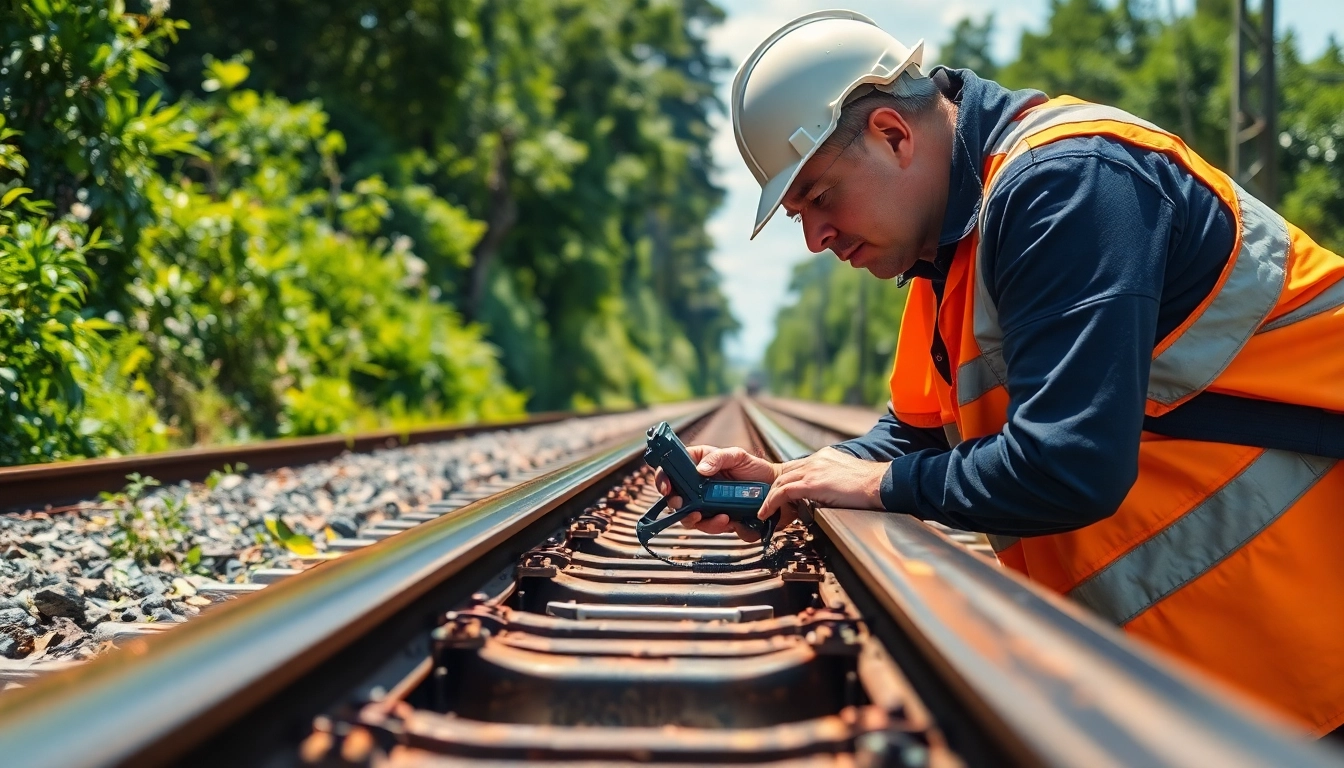
Track inspection is a critical process involving the systematic examination of railway tracks to identify defects and ensure their safe operation. The primary goal is to prevent accidents and maintain the integrity of the entire rail network. A comprehensive Track Inspection program includes visual checks, measurements, and advanced technology integration, enabling inspectors to detect issues early before they escalate into significant problems.
Importance of Regular Inspections
Regular inspections play a vital role in preserving the safety and reliability of rail transport. Continuous monitoring helps in:
- Preventing Accidents: Early detection of potential failures reduces the likelihood of derailments, safeguarding both passengers and freight.
- Enhancing Efficiency: Proactively addressing track issues leads to smoother operations, minimizing delays caused by track failures.
- Cost Reduction: Timely inspections can significantly diminish repair costs by addressing minor defects before they require extensive and expensive interventions.
Types of Track Inspection Methods
There are several methods utilized in track inspections, each serving unique purposes and employing different techniques:
- Visual Inspections: Conducted by trained personnel, this method involves a close examination of tracks, including the alignment and integrity of rail infrastructure.
- Ultrasonic Testing: This technology utilizes sound waves to detect internal flaws within the rails that might not be visible externally.
- Ground Penetrating Radar (GPR): GPR detects sub-surface anomalies, allowing assessors to evaluate the condition of the trackbed and identify potential weaknesses.
- Automated Track Inspection Systems: Using advanced sensors and cameras, these systems can rapidly assess large sections of track for various defects, providing comprehensive data in real-time.
Track Inspection Technology
Advancements in Technology
Recent technological advancements have revolutionized track inspection methodologies, bringing about improvements in accuracy, efficiency, and safety. The introduction of automated systems has markedly enhanced the thoroughness of inspections, aiding inspectors in gathering data that would be impossible to collect manually. For instance, drone technology allows for aerial views of difficult-to-access areas, while AI algorithms process data to identify potential problem spots quickly.
Benefits of Automated Inspections
Automated inspections offer a plethora of advantages, including:
- Speed: Automated systems can inspect larger lengths of track in significantly less time than manual inspections.
- Consistency: Automated inspections provide uniform evaluations, eliminating human error and varying judgments that come with visual assessments.
- Data Collection: These systems can collect vast amounts of data that can be analyzed for patterns, helping to predict future maintenance needs.
Integrating Data Analytics in Track Inspection
Data analytics plays a crucial role in enhancing track inspection practices. By analyzing historical inspection data, rail companies can identify trends that indicate where problems are likely to occur, allowing for preemptive action. Analytics also aid in scheduling inspections based on predictive models that take usage history, weather patterns, and wear rates into account, further optimizing maintenance schedules.
Best Practices for Effective Track Inspection
Preparing for a Track Inspection
Preparation is key to successful track inspection. Inspectors should:
- Review previous inspection reports to identify recurring issues.
- Ensure that all necessary tools and technology are ready and functioning.
- Coordinate with railway operations to plan inspections without disrupting service.
Conducting Thorough Assessments
During inspections, it is imperative to conduct detailed assessments. Inspectors should follow a checklist that encompasses all critical aspects of the track, including:
- Checking rail fastenings and joints for signs of wear.
- Assessing track geometry using specialized measuring devices to ensure alignment.
- Inspecting surrounding vegetation to prevent obstruction and hazards.
Documentation and Reporting
Effective documentation is paramount for future reference and regulatory compliance. Each inspection should result in a comprehensive report detailing findings, photographs, and recommended actions. This creates a valuable record that helps in tracking repairs and justifying maintenance budgets.
Challenges in Track Inspection
Common Issues Faced During Inspections
Track inspectors often encounter challenges that can impede thorough evaluations, such as:
- Weather conditions that can affect visibility and safety.
- Limited access to certain track segments due to ongoing rail operations.
- Variations in inspection standards and practices among team members.
Addressing Inspection Gaps
To minimize inspection gaps, entities should implement solutions like:
- Enhanced training for inspectors to standardize inspection practices.
- Utilizing technology to complement and bolster manual inspections.
- Establishing a peer review process to verify inspection findings.
Regulatory Compliance Challenges
Regulatory compliance in track inspection often presents hurdles such as changing regulations and maintaining documentation. Companies must stay updated with federal and state regulations to ensure thorough compliance, thus avoiding potential fines or operational disruptions. Regular training sessions can help keep personnel informed of any changes.
Future of Track Inspection
Emerging Trends and Innovations
As technology evolves, so too will the methods used for track inspection. Emerging trends include:
- Use of AI and Machine Learning: These technologies can be leveraged for anomaly detection, helping to identify issues before they become critical.
- Remote Monitoring Sensors: These sensors can provide real-time data on rail conditions, improving response times to detected issues.
- Blockchain for Record Keeping: Utilizing blockchain can improve the accuracy and transparency of inspection records, ensuring all stakeholders have access to real-time data.
The Role of Safety in Future Practices
Safety remains at the core of track inspection methodologies. With the integration of advanced technologies, the focus will shift towards predictive maintenance and risk management, allowing rail operators to identify and mitigate risks ahead of time, thus enhancing overall safety.
Preparing for a Digital Transformation
Rail operators need to embrace a digital transformation to elevate their inspection processes. This includes adopting new technologies, training staff on digital tools, and creating an adaptable framework that can leverage advancements in data analysis and machine learning for more effective inspections. Preparing for this transformation is essential for maintaining safety and operational efficiency in the railway industry.
FAQs about Track Inspection
What is the primary goal of track inspection?
The primary goal of track inspection is to ensure the safety and reliability of railway operations by identifying and addressing potential defects before they lead to accidents.
How often should track inspections be conducted?
The frequency of track inspections depends on factors such as rail usage, environmental conditions, and regulatory requirements. Regular inspections are critical, often conducted at specific intervals or after significant changes in conditions.
What tools are commonly used during track inspections?
Inspectors commonly use tools such as measuring tapes, gauges, ultrasonic testing equipment, and sometimes drones for aerial assessments.
What challenges are typically faced during inspections?
Challenges can include adverse weather conditions, limited access to certain track areas, and variations in inspection quality among different inspectors.
How does technology improve track inspection?
Technology enhances track inspection through automated systems that increase the speed and accuracy of inspections, as well as data analytics that help predict maintenance needs and ensure regulatory compliance.
Contact Information
Call Us: 1 (403) 452-4508
Email: [email protected]
Address: 3950 Fossil Creek Blvd Suite 106, Fort Worth, TX, USA 76137