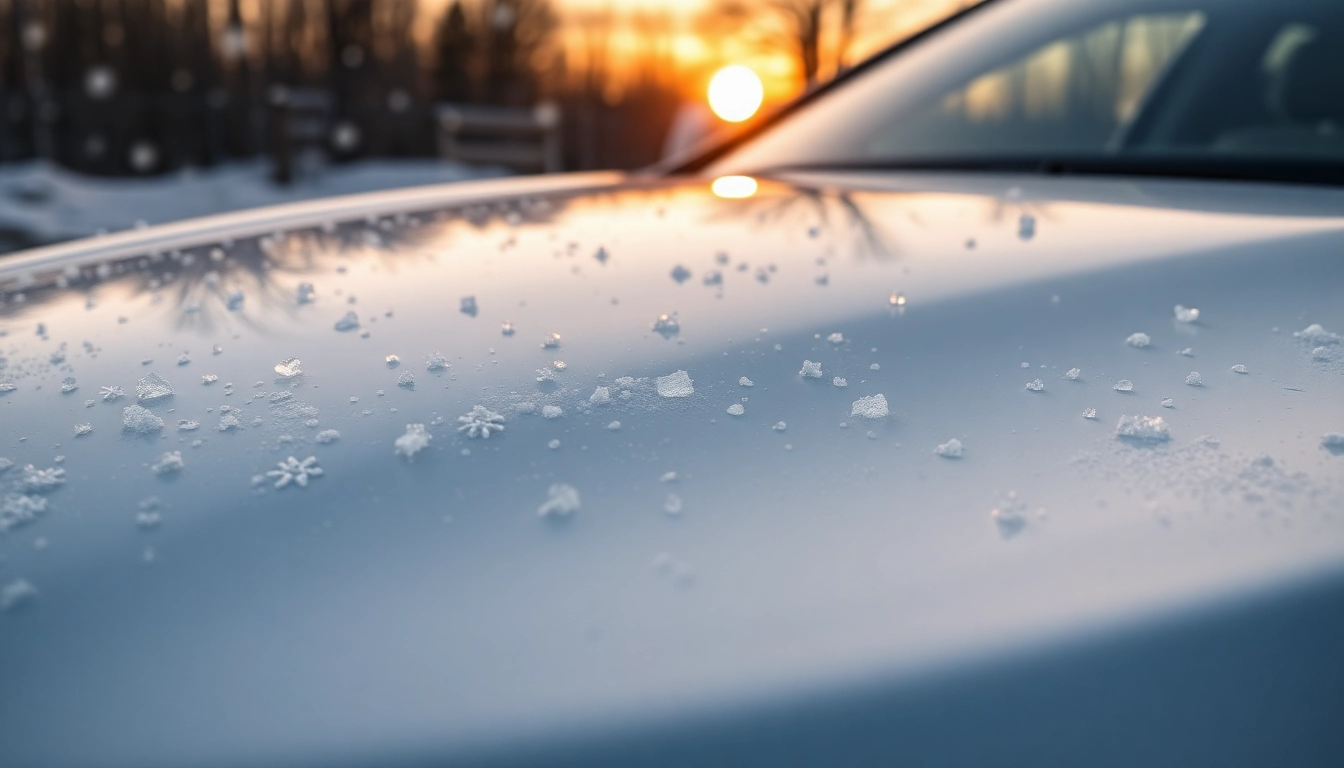
Understanding PPF Winter Road Salt Protection
In regions where winter brings frigid temperatures and relentless bouts of snow and ice, the use of road salt becomes an essential practice to enhance safety on the roads. However, while this measure is critical for driving safety, it also poses a significant threat to vehicles. The harsh chemicals in road salt can lead to corrosion, rust, and unsightly damage to a vehicle’s exterior. This is where PPF winter road salt protection comes into play. This article will delve into the intricacies of Paint Protection Film (PPF) as a solution specifically tailored for winter road conditions.
What is PPF and How Does it Work?
Paint Protection Film (PPF) is a transparent, durable urethane material designed to protect a vehicle’s paint from debris, scratches, and chemical damage. Often referred to as clear bra, PPF acts as a barrier over the vehicle’s surface. Its advanced technology allows it to self-heal minor scratches when exposed to heat, ensuring that the car’s finish looks pristine over time. PPF is positioned as an essential investment for any car enthusiast or owner aiming to maintain their vehicle’s appearance and value, particularly in environments affected by road salt.
The Importance of Protection from Salt Damage
During winter months, road salt is commonly spread across roadways to prevent ice formation. However, as vehicles drive over these treated roads, salt can accumulate on their undercarriages and exterior surfaces, leading to potential damage. Salt can corrode metal parts, degrade plastic components, and lead to serious, expensive repairs if left unchecked. By applying PPF, vehicle owners significantly reduce the risk of such damage, ensuring that their cars remain protected from the harmful effects of road salt exposure.
How PPF Compares to Other Protective Coatings
When it comes to vehicle protection, several options are available, including ceramic coatings and traditional waxes. However, PPF stands out in its durability and effectiveness against road salt. Unlike wax, which provides a temporary layer of protection that can wear away after washing or exposure to elements, PPF offers a more resilient shield. Additionally, ceramic coatings, while also effective, do not possess the self-healing properties that PPF offers, making it a superior choice for those navigating harsh winter conditions.
Benefits of PPF Winter Road Salt Protection
Preventing Corrosion and Rust Formation
One of the prime benefits of PPF in winter lies in its ability to prevent corrosion and rust formation. Road salt can cause rapid oxidation of metallic surfaces, leading to rust that compromises the integrity of vehicle components. PPF creates a protective barrier that inhibits direct contact between salt and the vehicle’s surface, dramatically reducing the likelihood of rust developing. With this safeguard, vehicle owners can rest assured that their investment will stand the test of time without succumbing to winter wear and tear.
Maintaining Aesthetic Appeal and Value
Aside from protection against internal damage, maintaining a vehicle’s aesthetic appeal is paramount for many owners. PPF serves this purpose well by preventing unsightly scratches, swirl marks, and stains caused by road salt and grime. Vehicles that retain their factory-fresh appearance not only command a higher visual appeal but also experience better resale value. A well-maintained exterior signals to potential buyers that the vehicle has been cared for, adding intrinsic value beyond mere performance metrics.
Enhancing Resale Value with Proper Protection
Investing in PPF installation is an economic decision that pays off when it comes time to sell or trade-in a vehicle. A car that has been protected from winter elements shows minimal signs of wear, making it more attractive to potential buyers. Studies have suggested that vehicles with PPF can retain as much as 30% more of their original value compared to those without such protection. Thus, the initial cost of applying PPF is often recouped many times over when selling the vehicle.
Choosing the Right PPF for Winter Conditions
Factors to Consider When Selecting PPF
Selecting the right PPF involves considering multiple features such as thickness, durability, and warranty offers. Look for films that specifically mention resilience to winter elements, as some products may not be designed to withstand extreme conditions. Additionally, consider whether the PPF is self-healing, which can save on potential repair and maintenance costs down the line. Conducting thorough research on different options will streamline the decision-making process and lead to a more satisfactory outcome.
Thickness and Durability Ratings Explained
PPF thickness is typically measured in millimeters and directly correlates to its protective capabilities. A thicker film can provide better resistance against impacts and corrosion, but it might also be more challenging to install. Durability ratings can vary based on the manufacturer, but reputable PPF should usually offer warranties of at least five years. It is crucial to balance thickness with ease of installation and overall effectiveness to ensure optimal protection.
Comparing Different PPF Brands and Features
While numerous brands offer PPF, distinctions in features such as clarity, longevity, and self-healing capabilities make some stand out more than others. Conducting comparisons based on real-world reviews and testimonials can offer insights into how different films perform under severe winter conditions. Features like hydrophobic technology, which repels water and grime, can additionally enhance the usefulness of PPF in winter weather, making vehicle cleaning easier and preventing salt accumulation.
Installing PPF for Optimal Winter Protection
DIY Installation vs. Professional Services
Installing PPF can be a task undertaken by those with ample experience, but many variables make professional installation advisable for most vehicle owners. Professional installers possess the tools and expertise to ensure that the film adheres properly, avoiding bubbles, creases, and misalignments. For those considering a DIY installation, it is essential to closely follow manufacturer guidelines and work in a controlled environment to mitigate potential installation risks.
Step-by-Step Guide to Applying PPF
If you choose to install PPF yourself, following a systematic approach can yield optimal results. Begin by gathering necessary supplies, including the film, a squeegee, utility knife, and spray bottle filled with soapy water. First, clean the surface of the vehicle thoroughly to remove all impurities. Measure and cut the PPF to fit the desired sections of your vehicle. Spray the adhesive side of the film and the car surface with soapy water to allow repositioning. Adhere the film slowly, using the squeegee to remove bubbles and ensuring it conforms smoothly to the vehicle’s shape. Once applied, trim any excess film and allow it to cure according to manufacturer instructions.
Tips for Maintaining PPF in Winter Conditions
To maximize the lifespan and effectiveness of PPF during winter conditions, regular maintenance is required. It is essential to wash the vehicle regularly, ideally after exposure to road salt, using a gentle soap and soft cloth to avoid scratching the film. Additionally, avoid using strong chemicals or abrasive materials that can compromise the integrity of the film. Consider applying a ceramic coating over the PPF for added protection against ice and grime, enhancing both its durability and appearance.
FAQs About PPF Winter Road Salt Protection
How often should PPF be replaced?
PPF typically lasts 5-10 years, depending on the environment and upkeep.
Can PPF be applied over existing paint?
Yes, but ensure the surface is clean and any imperfections fixed for the best adhesion.
Will PPF protect against scratches?
Yes, PPF provides a strong barrier against light scratches and chips.
Is PPF removal easy?
Yes, professional removal methods ensure no damage is done to the paint underneath.
How do I maintain PPF protection during winter?
Regular wash and avoid abrasive cleaning tools to preserve its effectiveness and appearance.