Understanding the Essence of Cape Cod Home Design
The design of a cape cod home captures a unique blend of historical significance and timeless appeal. Originally developed in the 17th century, these homes are characterized by simplicity, functionality, and a strong connection to their coastal surroundings. Understanding the essence of Cape Cod home design involves exploring its origins, key architectural features, and modern adaptations keeping in mind the evolving lifestyle of homeowners.
Origins and Historical Significance
The Cape Cod home originated in the early days of American colonization, inspired by the thatched cottages of England. These homes were designed to withstand the harsh New England winters, often featuring steep roofs to prevent snow accumulation and small windows to minimize heat loss. This design choice reflects the practical needs of early settlers while imparting a quaint and homely charm that endures to this day. As time passed, Cape Cod architecture became symbolic of American coastal living, representing an escape from urban life.
Essential Architectural Features
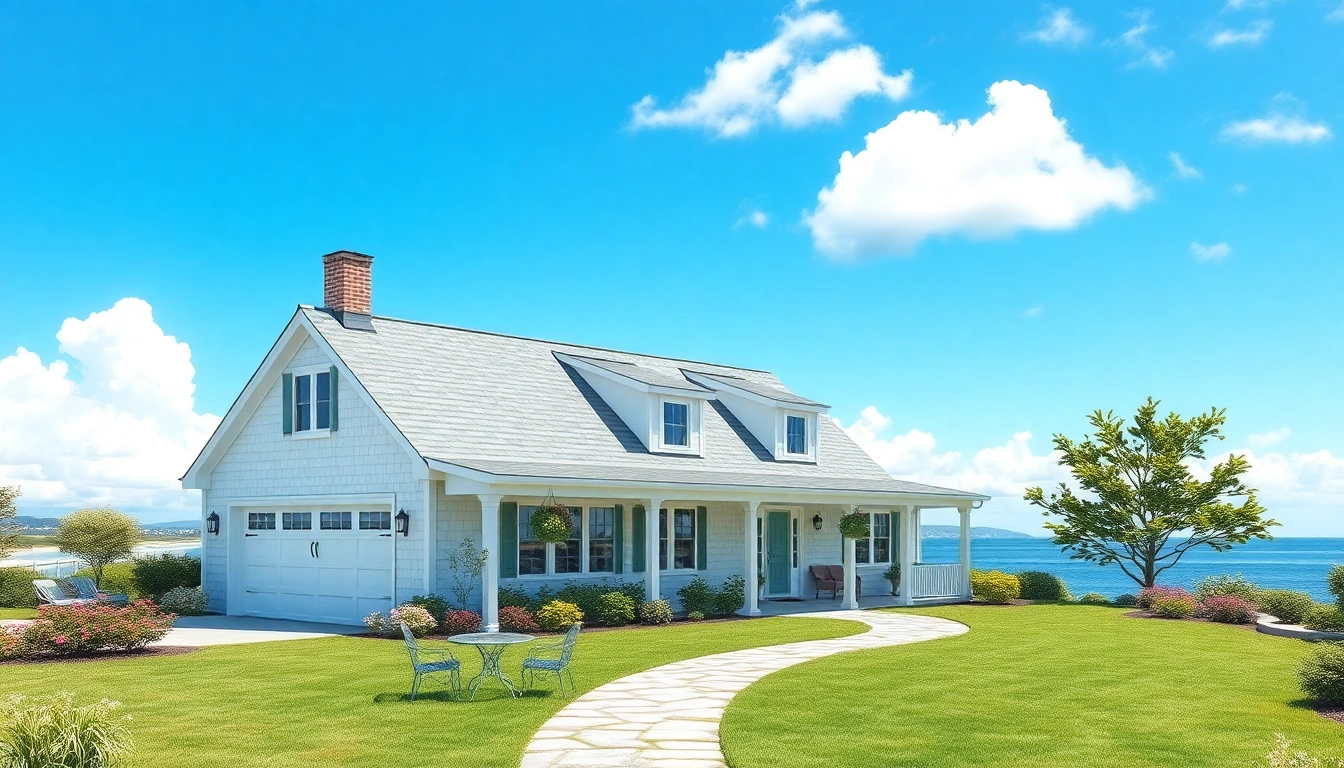
The essential features of a Cape Cod home include a symmetrical façade, a steeply pitched roof, and dormer windows that enhance natural light in the upper floors. Many homes incorporate wood shingles, often left to weather naturally, contributing to their rustic aesthetic. Additionally, the interiors typically feature open floor plans that allow for easy flow from kitchen to living areas, making them ideal for family gatherings and casual entertaining.
Modern Adaptations to Traditional Styles
While maintaining their historical roots, Cape Cod homes have seen modern adaptations that integrate contemporary design principles. Open-concept living spaces have grown in popularity, with large windows enhancing views and allowing for maximum natural light. Sustainable materials and energy-efficient technologies are increasingly integrated, catering to environmentally conscious homeowners without sacrificing the traditional aesthetic that defines Cape Cod architecture.
Key Components of a Cape Cod Home
Designing a Cape Cod home involves several key components that influence both its functionality and aesthetic. Understanding layout, material selection, and natural light incorporation can elevate the overall design and livability of your space.
Layout and Space Planning
The layout of a Cape Cod home plays a crucial role in creating a comfortable living environment. The typical two-story design features bedrooms on the upper level, while the ground floor houses communal spaces. This layout not only provides separation of private and public areas but also enhances views and air circulation. When planning your space, consider flexibility in room usage, where spaces can change functions over time, accommodating a growing family’s needs or varied lifestyle changes.
Choosing the Right Materials
Selecting the right materials is essential to achieving the desired authenticity and durability of a Cape Cod home. Natural materials such as wood, stone, and brick align with the traditional aesthetic while also ensuring resilience against coastal weather. The use of high-quality clapboard siding, for instance, not only enhances the home’s charm but also serves as a protective barrier against the elements. Additionally, energy-efficient windows and roofing materials contribute to long-term sustainability.
Incorporating Natural Light Effectively
Natural light is a defining feature of Cape Cod homes, enhancing the ambiance and visual appeal of spaces. Strategic placement of windows and skylights can maximize daylight throughout the day, creating a more inviting atmosphere. South-facing windows allow passive solar heating, while carefully positioned overhangs provide shade for energy efficiency during warmer months. Additionally, utilizing reflective surfaces in interiors can further amplify the natural light, ensuring that all areas of the home feel spacious and bright.
Designing an Attached Garage
Integrating an attached garage into a Cape Cod home requires careful consideration to enhance both functionality and aesthetics. The garage should seamlessly blend with the home’s overall design while offering practical benefits.
Integration with the Main Structure
When designing an attached garage, it’s vital to maintain architectural consistency with the main structure. This can involve matching the roof pitch, window styles, and exterior colors. Ensuring the garage does not overwhelm the façade of the home is essential—typically, garages should be set back slightly from the front of the house, allowing the entrance to remain the focal point. Moreover, strategic landscaping can soften the appearance of the garage and enhance curb appeal.
Functional and Aesthetic Considerations
From a functional standpoint, consider the garage’s orientation for ease of access and convenience. Sufficient space for maneuvering vehicles and storage solutions should be planned effectively. Aesthetically, window placements and doors should match the home’s character—using traditional styles like carriage doors can maintain harmony with the Cape Cod theme. Additionally, adding outdoor lighting can enhance visibility while accentuating architectural details during the evening.
Alternative Parking Solutions
While an attached garage is a favored option, alternative parking solutions can also enhance the property. Carports, for example, provide shelter for vehicles without the bulk of a full enclosure. They can be designed in a way that respects the home’s aesthetic, using open lattice work or matching materials. Another option is the inclusion of a detached garage, which can be styled to complement the main house but offers versatility for use as additional storage or a workshop while keeping the property clean and organized.
Creating Outdoor Spaces Around Your Cape Cod Home
Outdoor spaces are integral to the Cape Cod lifestyle, allowing homeowners to engage with the beautiful natural surroundings. Thoughtful landscaping and flexible outdoor living areas can enhance the connection between the home and its environment.
Landscaping Ideas and Practices
Landscaping in a Cape Cod setting should emphasize native plants that require less maintenance and are well-suited to local soil and climate conditions. Incorporating natural elements such as stone pathways and wooden fences can enhance the rustic charm of the property. Flower beds with seasonal blooms add color while maintaining a low water footprint. Additionally, creating buffer zones with shrubs or trees can provide privacy and protection from coastal winds.
Outdoor Living Spaces: Decks and Patios
Functional outdoor living spaces are essential for enjoying the Cape Cod environment. Decks or patios can extend the living area outdoors, serving as perfect spots for gatherings or quiet relaxation. Selecting durable materials like composite decking ensures longevity while mirroring the traditional wood aesthetic. Consider incorporating built-in seating or fire pits to create inviting spaces that enhance evening gatherings, while awnings or umbrellas provide shade during sunny days.
Enhancing Curb Appeal
Curb appeal is critical in creating a lasting impression of your Cape Cod home. This can be achieved through well-maintained landscaping, painted shutters, and the thoughtful arrangement of outdoor décor. Seasonal decorations and string lighting can add charm, while maintaining a cohesive color palette enhances the overall aesthetic. Easy-to-navigate pathways should lead visitors from the driveway to the entrance, highlighting the home’s welcoming nature.
Common Challenges in Cape Cod Home Projects
Though Cape Cod homes embody charm and functionality, several challenges may arise during construction or renovation projects. Understanding these hurdles and planning proactively can lead to more successful outcomes.
Dealing with Coastal Weather Conditions
Coastal weather can greatly affect both the construction and longevity of your Cape Cod home. High winds, heavy rains, and salinity from ocean air can degrade materials over time. Choosing weather-resistant materials, like composite roofing or storm shutters, can mitigate these risks. Furthermore, engaging experienced local contractors familiar with coastal conditions ensures adherence to best practices and building codes.
Balancing Functionality with Visual Appeal
One of the biggest challenges is balancing functionality with visual appeal. Homeowners desire a stylish home, yet practicality remains paramount, especially in smaller spaces. The solution often lies in selecting multi-functional furniture and appliances, maximizing vertical space, and employing clever storage solutions. Additionally, making thoughtful aesthetic choices—like color schemes and decor—that align with functionality can create a cohesive, streamlined look in your Cape Cod home.
Budgeting and Project Management Tips
Effectively managing your budget is vital throughout the home design and renovation process. Start with a clear project outline and establish priorities, allowing for flexibility in areas where costs can be adjusted without compromising quality. Utilize local suppliers to cut down on shipping costs, and always leave a contingency fund for unexpected expenses. Regularly assessing project progress against the established timeline can help keep everything on track, ensuring a smooth, successful completion.
Frequently Asked Questions
What defines a Cape Cod home?
A Cape Cod home is characterized by its steeply pitched roofs, symmetrical facades, and dormer windows, embodying a classic New England architectural style.
Can I modernize a Cape Cod style home?
Yes, you can modernize a Cape Cod home by incorporating contemporary designs, improving energy efficiency, and utilizing modern materials while retaining its traditional charm.
What materials are best for building a Cape Cod home?
Traditional materials include wood siding, shingles, and brick. High-quality, sustainable materials enhance durability while maintaining aesthetic appeal.
Are Cape Cod homes suitable for year-round living?
Absolutely, Cape Cod homes are built to withstand harsh winters and are often equipped with modern amenities that make them comfortable for year-round living.
How can I improve the curb appeal of my Cape Cod home?
Enhance curb appeal by maintaining your landscaping, choosing a cohesive color palette, and adding decorative elements like window boxes and seasonal decorations.