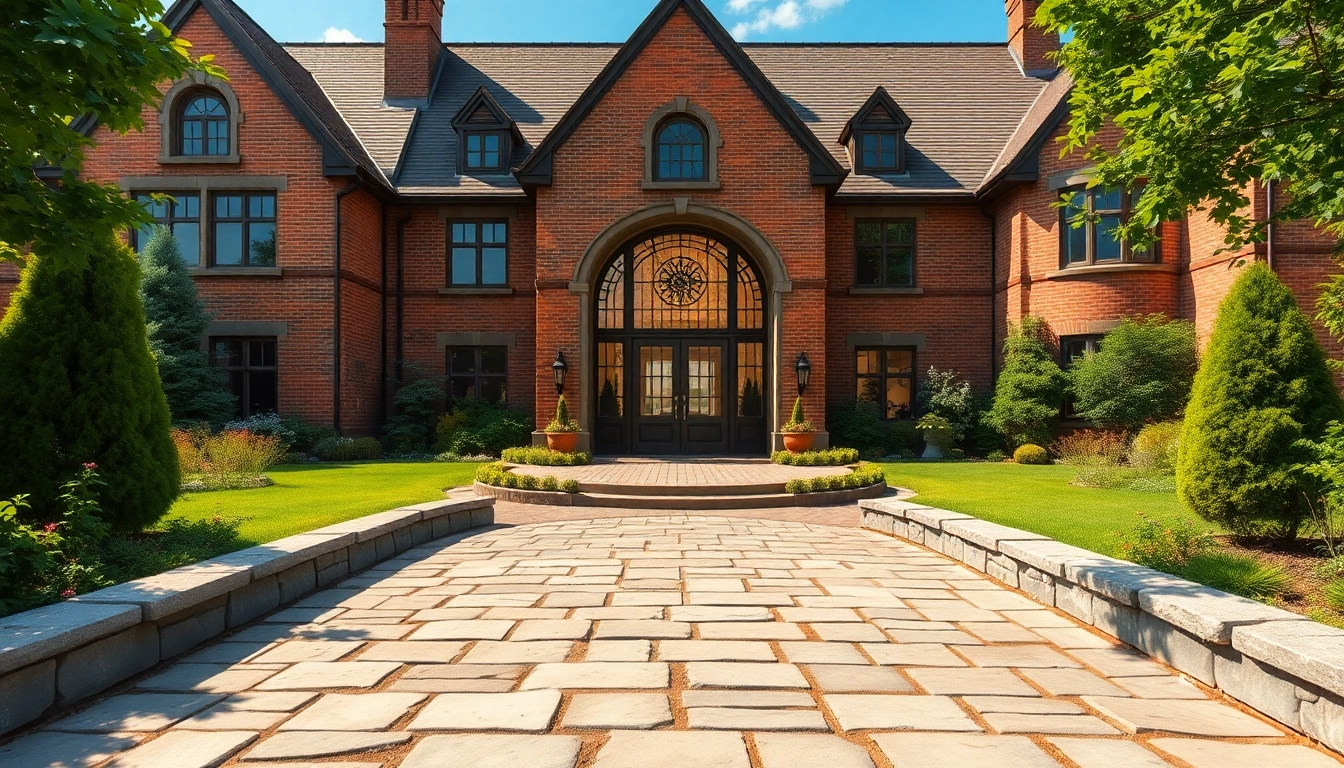
Overview of the Wellesley Tudor Expansion
The Wellesley Tudor Expansion represents a significant enhancement of luxurious living spaces within a historic architectural context. This project aims to maintain the charm of Tudor architecture while integrating modern functionalities that cater to today’s families’ needs. Its meticulous design and execution underscore a commitment to preserving historical integrity while introducing contemporary amenities that enhance everyday living.
Architectural Design Features
The architectural design of the Wellesley Tudor Expansion intricately weaves traditional Tudor aesthetics with modern construction techniques. Key features include steeply pitched gable roofs, ornate timber framing, and intricate brickwork that lend an air of authenticity. Large, divided-light windows flood interiors with natural light, while detailed stonework adds character and historical resonance. The careful selection of these features showcases a thoughtful balance between heritage and innovation, ensuring the expansion harmonizes with the original structure.
Historical Context and Significance
Understanding the historical significance of Tudor architecture is critical to appreciating the Wellesley Tudor Expansion. Originating in the late 15th century, Tudor-style homes symbolize an era of craftsmanship and architectural diversity. This expansion not only honors that heritage but also serves as a conduit for educating the community about historical architectural trends. By restoring and expanding upon these designs, the project fulfills a vital role in preserving the cultural fabric of its surroundings.
Project Goals and Objectives
The primary goal of the Wellesley Tudor Expansion is to provide enhanced living conditions while respecting historical significance. Objectives include creating spacious family areas that reflect modern functionality, increasing energy efficiency through sustainable practices, and providing aesthetic continuity with existing structures. This multifaceted approach ensures that the expansion serves both current and future generations without disrupting the architectural dialogue established by the original Tudor design.
Innovative Design Elements
Materials and Sustainability
One of the hallmarks of the Wellesley Tudor Expansion is its dedication to using sustainable materials that reduce its environmental footprint. Reclaimed wood, energy-efficient windows, and locally sourced bricks minimize transportation emissions. Moreover, green roofing technologies and the installation of solar panels reflect a commitment to sustainability. By incorporating these elements, the design not only respects nature but actively contributes to a more sustainable community.
Interior Design Inspirations
The interior design of the Wellesley Tudor Expansion draws inspiration from a blend of historical elegance and contemporary style. Features such as custom cabinetry, modern kitchen appliances, and spa-like bathrooms are harmonized with original wood paneling and rich textiles. The interiors favor a color palette of deep hues and warm neutrals, creating a sense of warmth and coziness. This eclectic approach not only maximizes comfort but also enhances the overall aesthetic appeal of the home.
Landscape Integration
Landscaping is an integral aspect of the Wellesley Tudor Expansion, providing both beauty and functional outdoor space. Incorporating native plants and materials harmonizes the expansion with its natural surroundings, promoting biodiversity. Outdoor living areas, including patios and manicured gardens, create inviting spaces for family gatherings and community events. The deliberate integration of landscape design enhances the property’s visual appeal while fostering a connection between the indoors and outdoors.
Project Execution Stages
Planning and Approval Processes
The execution of the Wellesley Tudor Expansion underwent rigorous planning, ensuring compliance with local regulations and historical preservation guidelines. This involved detailed consultations with city planners, historical societies, and community stakeholders. Navigating these processes required patience and a clear vision, balancing innovative ideas with the need to respect the established character of the neighborhood.
Construction Timeline Management
Efficient timeline management was crucial for the successful completion of the Wellesley Tudor Expansion. By adopting a phased approach with clearly defined milestones, project managers ensured that each stage was completed on schedule. Regular updates and transparent communication with contractors facilitated progress tracking and problem resolution, mitigating delays and ensuring quality was maintained throughout the construction process.
Collaboration Among Stakeholders
Collaboration was essential to the success of the Wellesley Tudor Expansion, involving architects, designers, contractors, and community members. Regular meetings fostered a team-oriented approach to decision-making, allowing for diverse perspectives to be heard and integrated into the project. This not only ensured that the design met collective aspirations but also strengthened community investment in the project’s success.
Impact on the Wellesley Community
Economic Benefits and Job Creation
The Wellesley Tudor Expansion contributes significantly to the local economy by creating job opportunities during both planning and construction phases. By hiring local contractors and artisans, the project boosts the community’s workforce, promoting economic growth. It also enhances property values in the area, attracting new residents and businesses that further stimulate economic activity.
Enhancing Local Aesthetics
This expansion not only revitalizes a historical site but also enhances the aesthetic appeal of the neighborhood. Integrating modern architecture with traditional Tudor elements creates a visual narrative that attracts both residents and visitors alike. As such, the project serves not just as a private residence but as a landmark in the community, symbolizing a commitment to preserving history while embracing the future.
Community Engagement Initiatives
Engagement with the community played a vital role in the Wellesley Tudor Expansion project. Workshops and informational sessions allowed community members to voice their opinions and learn about the design process. Additionally, involving local artists in design elements and landscaping initiatives fostered a sense of ownership and pride in the project, promoting community spirit and unity.
Future Prospects and Possibilities
Potential Expansions and Upgrades
Looking ahead, the Wellesley Tudor Expansion lays the groundwork for potential future upgrades and expansions. As families grow and their needs evolve, the property can adapt, leveraging its extensive design flexibility. This could include adding additional rooms or technology upgrades to meet the demands of an increasingly connected world.
Trends in Tudor Architecture
The trend of modern Tudor architecture continues to evolve, with innovations emphasizing sustainability and contemporary living. Features such as open floor plans, energy-efficient appliances, and smart home technologies are increasingly being integrated while maintaining traditional charm. The Wellesley Tudor Expansion serves as a benchmark for future designs, illustrating how classic styles can adapt to the 21st century without losing their historic essence.
Long-term Maintenance Considerations
Long-term maintenance of the Wellesley Tudor Expansion is essential to preserve its beauty and functionality. Regular inspections and maintenance on roofing, landscaping, and interiors will be crucial for preserving the home’s integrity. Additionally, utilizing durable, sustainable materials will minimize upkeep and prolong the lifespan of various features, ensuring that the expansion remains a cherished community asset for generations to come.
Frequently Asked Questions
1. What inspired the design of the Wellesley Tudor Expansion?
The design is inspired by classic Tudor architecture, aiming to blend historical aesthetics with modern living needs for a harmonious and functional space.
2. How does the expansion promote sustainability?
It utilizes reclaimed materials, energy-efficient technologies, and sustainable landscaping practices to minimize its environmental impact while enhancing the local biodiversity.
3. What are the key project goals for the Wellesley Tudor Expansion?
The key goals include preserving historical integrity, enhancing modern functionality, and creating inviting spaces for families while boosting local aesthetics.
4. How are community members involved in the project?
Community engagement initiatives, including workshops and informational sessions, allowed residents to express their views and collaborate on the design process.
5. What maintenance practices are recommended for the Wellesley Tudor Expansion?
Regular inspections, durable material usage, and environmentally friendly landscaping practices are essential for maintaining the home’s beauty and structural integrity over time.