Overview of Wildfire Events
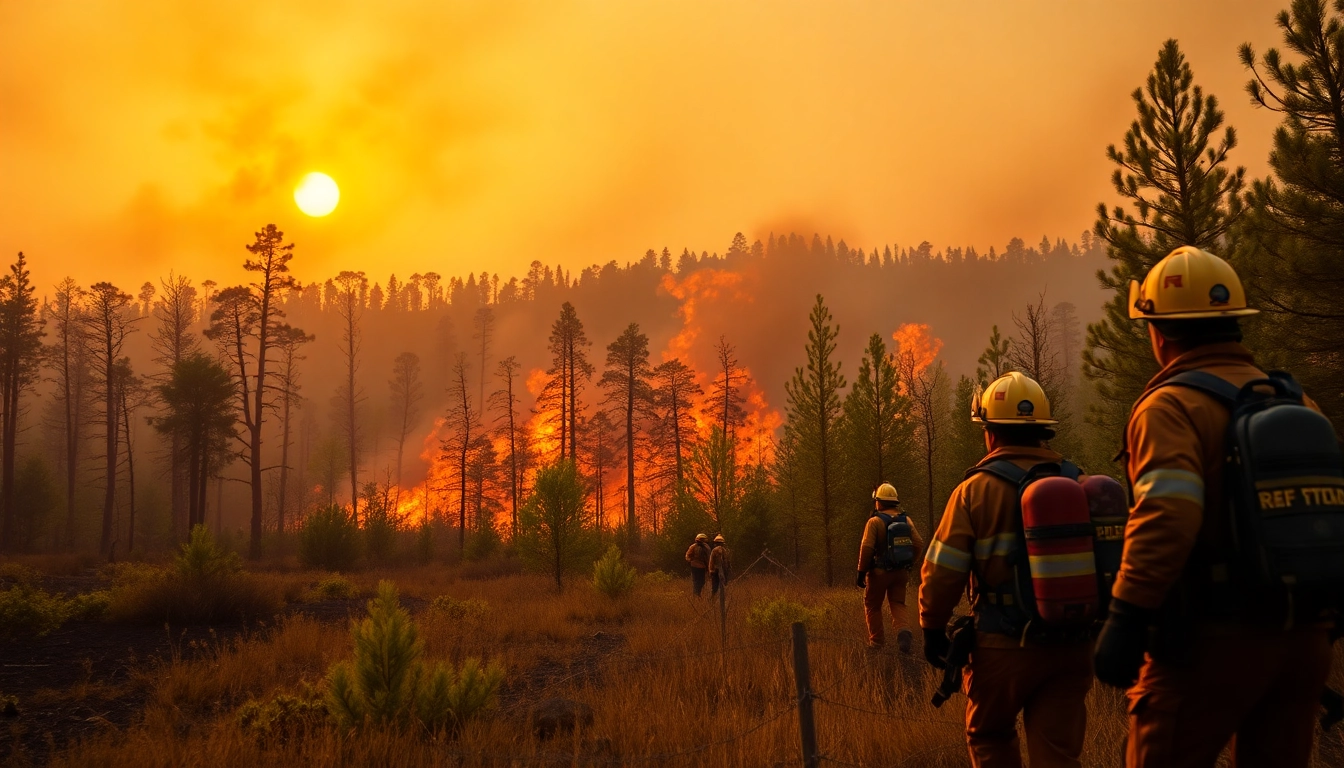
Wildfire events have become increasingly prevalent in various regions worldwide, affecting millions of individuals each year. These catastrophic incidents do not merely alter landscapes; they impact communities socially, economically, and environmentally. Understanding wildfire events' complexities is vital for community preparedness and effective response strategies. This article will explore Wildfire events, their causes, impacts, preparedness strategies, responses, and future trends.
Definition of Wildfire Events
A wildfire event is defined as an uncontrolled fire occurring in vegetation or forested area. These fires can be ignited by natural causes, such as lightning strikes, or human activity, including arson, discarded cigarettes, or equipment sparks. The classification of wildfires varies; for instance, some are categorized by size: from a "small fire," which covers less than 100 acres, to "large fires," which engulf thousands of acres. Wildfire events can also vary significantly based on their intensity and how they spread.
Common Causes and Triggers
Understanding the common causes and triggers of wildfire events is crucial for prevention efforts. Key triggers include:
- Natural Triggers: Lightning is one of the most common natural causes of wildfires, particularly in remote areas.
- Human Activity: Although unintentional, human actions such as campfires left unattended, fireworks, and equipment use can ignite wildfires.
- Climate Conditions: Droughts and prolonged dry spells create ideal conditions for wildfires to ignite and spread.
- Vegetation: Dry, dead, or dying vegetation serves as fuel, making it easier for fires to start and spread.
Environmental Conditions Influencing Wildfire Events
Several environmental factors contribute to the frequency and intensity of wildfire events. Key conditions include:
- Weather Patterns: High temperatures, low humidity, and strong winds can exacerbate wildfire conditions, facilitating rapid fire spread.
- Topography: Steep terrain often directs the direction of a fire. Fires can climb hills quickly, making them harder to control.
- Climate Change: Increasing temperatures and changing precipitation patterns lead to prolonged dry spells, increasing wildfire risks.
- Vegetation Types: Fire-prone vegetation such as scrub, grasslands, and dense forests can significantly influence the behavior of wildfires.
The Impact of Wildfire Events
Wildfire events have far-reaching consequences that extend beyond the immediate burning of land. Understanding these impacts can help communities respond more effectively.
Economic Consequences of Wildfire Events
The economic impact of wildfire events can be devastating. The costs associated with firefighting, property loss, and disruption to local economies can soar. Key economic consequences include:
- Direct Costs: The costs incurred for firefighting efforts, equipment, and personnel can be substantial. Infrastructure repairs can also add to financial burdens.
- Insurance Claims: Homeowners and businesses often face substantial claims that can exceed millions in damages, impacting the insurance sector.
- Job Losses: As businesses close or relocate due to fire damage, local employment rates can suffer significantly.
- Lose of Natural Resources: Wildfire events can devastate natural resources like timber and fisheries, essential for local economies.
Ecological Effects on Flora and Fauna
Wildfire events profoundly impact local ecosystems, flora, and fauna. The ecological effects can be both destructive and rejuvenating:
- Habitat Destruction: Fires can destroy critical habitats, leading to species displacement and increased vulnerability.
- Biodiversity Loss: The loss of plant species can harm food chains, affecting animals and insects that rely on them for survival.
- Soil Degradation: Wildfires can lead to soil erosion and nutrient depletion, further harming flora and agricultural production.
- Renewal and Regeneration: Certain ecosystems require fire for regeneration, as it can stimulate new growth and seed dispersion.
Public Health Risks Associated with Wildfire Events
In addition to environmental damage, wildfire events pose significant public health risks. Some critical health concerns include:
- Air Quality: Wildfires contribute to poor air quality, increasing respiratory problems like asthma and other chronic diseases.
- Mental Health Issues: The stress and trauma associated with evacuation, property loss, and community destruction can lead to psychological problems.
- Injuries: The danger posed by raging fires, falling trees, and smoke inhalation can lead to various injuries.
- Water Supply Contamination: Ash and debris from wildfires can contaminate water supplies, impacting public health directly.
Preparing for Wildfire Events
Effective preparation can significantly reduce the impacts of wildfire events. Individuals and communities must implement proactive measures to ensure safety and resilience.
Personal Safety Strategies
Individuals play a vital role in wildfire preparedness. Some essential personal safety strategies include:
- Creating a Fire-Resistant Home: Utilize fire-resistant materials and maintain defensible space around your property to minimize fire risk.
- Emergency Plans: Develop and rehearse evacuation plans with your family, ensuring all members understand what to do during a wildfire.
- Stay Informed: Sign up for local alerts and keep informed about fire weather conditions in your area.
- Prepare Emergency Kits: Keep emergency supplies, including medical kits, water, and food in a readily accessible location.
Community Planning for Wildfire Events
Communities must work collaboratively to enhance preparedness and response strategies. Key community planning elements include:
- Local Fire Plans: Develop comprehensive community fire management plans that address risk assessment, mitigation strategies, and evacuation routes.
- Community Education: Conduct awareness programs and training sessions to teach residents about fire risks and preparedness.
- Collaboration with Fire Services: Building relationships with local fire departments and agencies can improve coordination and resources during incidents.
- Regular Maintenance: Implement community cleanup events to maintain defensible space and manage vegetation that poses fire risks.
Resources for Wildfire Preparedness
Several resources are available for individuals and communities aiming to prepare for wildfire events:
- Government Programs: Many local and national agencies provide resources on fire safety, preparedness guides, and financial assistance for fire prevention measures.
- Nonprofit Organizations: Various organizations work to support communities affected by wildfires, offering resources for recovery and preparedness.
- Online Resources: Websites and social media pages dedicated to fire safety provide up-to-date information and community engagement opportunities.
- Workshops and Training Sessions: Local government and fire departments often offer workshops to educate the communities on wildfire preparedness.
Responding to Wildfire Events
Effective response strategies are crucial for managing wildfire events and minimizing damage. Understanding the roles of various stakeholders can enhance response efforts.
Mitigation Strategies in Fire Management
Mitigation strategies play a key role in preparing for and responding to wildfire events. Some essential strategies include:
- Pcontrolled Burns: Conducting prescribed burns can help reduce excessive vegetation and fuel loads, effectively managing fire risks.
- Firebreaks: Establishing firebreaks—cleared strips of land devoid of vegetation—can help slow the spread of wildfire.
- Community Education: Raising awareness and educating communities about the risks and preventative measures can empower effective community response.
- Regular Forest Maintenance: Thinning overcrowded forests can lead to healthier ecosystems and reduce the likelihood of intense wildfires.
Role of Technology in Wildfire Response
The integration of technology has revolutionized the response to wildfire events. Some key advancements include:
- Drones: Drones are increasingly used for real-time monitoring and mapping of fire behavior, improving situational awareness.
- Remote Sensing: Satellite imagery can provide valuable data on changing environmental conditions and help predict fire behavior.
- Fire Modeling Software: Advanced computer models can simulate wildfire behavior, allowing for better resource allocation and planning.
- Public Alert Systems: Automated systems that disseminate alerts can ensure communities stay informed and prepared for potential evacuations.
Lessons Learned from Recent Wildfire Events
Each wildfire event offers crucial lessons for future preparedness and response. Key takeaways include:
- The Importance of Communication: Effective communication between agencies and communities is vital for coordinated response efforts.
- Preparedness Pays Off: Communities that engage in proactive planning and preparedness efforts can mitigate losses during an event.
- Invest in Research: Continued research into wildfire behavior, prevention methods, and community impacts is essential for evolving strategies.
- The Role of Volunteers: Engaging community volunteers can significantly enhance response capacity and create stronger community bonds.
Future Trends in Wildfire Events
As climate change continues to shape our environment, we must look towards future trends in wildfire events to safeguard communities:
Climate Change and Wildfire Events
Climate change plays a significant role in the frequency and intensity of wildfire events. Potential impacts include:
- Increased Frequency: Changes in weather patterns could result in drier conditions, leading to more frequent fire events.
- Altered Ecosystems: As habitats shift, certain species may face extinction, while others could thrive, altering local biodiversity.
- Enhanced Severity: Increased temperatures lead to more intense fires that spread faster, posing greater risks to life and property.
- Emerging Patterns: The understanding of wildfire behavior and management will need to adapt to these changing conditions.
Innovations in Wildfire Prevention
As wildfire management evolves, innovative techniques are being developed:
- Biological Control: Research into using vegetation management techniques that promote fire-resistant flora is gaining traction.
- Smart Technologies: Innovative alarm systems that integrate smoke detectors and AI can enhance early fire detection capabilities.
- Community Engagement Apps: Mobile applications are being developed to enhance communication and response coordination during wildfires.
- Collaborative Response Platforms: New platforms that enhance inter-agency collaboration during wildfire events are emerging.
Building Resilience in Communities Vulnerable to Wildfire Events
Building resilience in communities is critical in ensuring preparedness for future wildfire events. Community-driven solutions include:
- Community Fire Risk Assessments: Conducting assessments to identify vulnerable areas and develop tailored strategies is essential.
- Grassroots Initiatives: Encouraging community members to engage in localized fire prevention efforts fosters a sense of agency.
- Integrating Knowledge: Leveraging traditional ecological knowledge alongside scientific research can enhance fire management strategies.
- Funding and Support: Securing funding for education, preparedness programs, and infrastructure development can increase community resilience.
Frequently Asked Questions (FAQs)
What is the 30/30/30 rule for fire?
The 30/30/30 rule suggests that fires burn most actively with 30°C temperatures, 30% humidity, and 30 km/h winds, serving as a guideline for fire danger assessment.
How do wildfires affect air quality?
Wildfires emit substantial smoke and particulates, degrading air quality and causing respiratory issues and other health-related problems in nearby populations.
What should I include in an emergency kit for wildfires?
An emergency kit should contain water, non-perishable food, a flashlight, batteries, first-aid supplies, important documents, and medications to ensure safety during wildfires.
Can trees help reduce wildfire risk?
Yes, strategically placed trees can act as barriers to slow fire spread. However, maintaining healthy, well-spaced trees is critical to preventing wildfires.
What are some effective evacuation strategies during wildfires?
Developing clear escape routes, ensuring family preparedness, and keeping a packed emergency bag ready can significantly enhance evacuation effectiveness during wildfires.