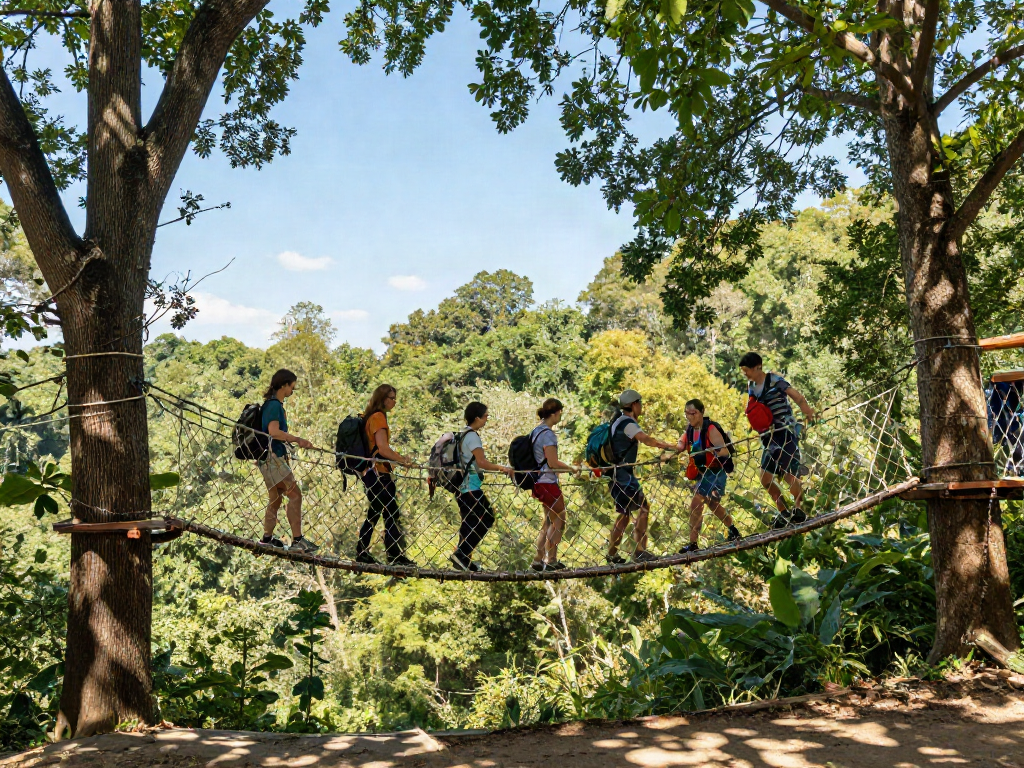
Understanding the Basics of Rope Bridge Design
Rope bridges have captivated the imagination of engineers, designers, and outdoor enthusiasts alike for centuries. These structures can be both functional and aesthetically pleasing, providing pathways that facilitate access across challenging terrains, such as rivers or steep valleys. Building a rope bridge involves a careful blend of engineering principles, material selection, and design aesthetic. The considerations involved in Rope Bridge design are critical for ensuring safety and usability, making them an exciting project for DIY builders and architects alike.
What is a Rope Bridge?
A rope bridge is a type of bridge that is supported by cables or ropes, often suspended between two or more points. This form of bridge is typically constructed using lightweight materials, allowing it to be both functional and portable. They are ideal for temporary installations in parks, adventure parks, or as part of outdoor activities such as zip-lining. A rope bridge can vary in complexity from simple designs that require minimal engineering knowledge to more complex structures that necessitate detailed calculations and safety considerations.
Key Components of Rope Bridges
- Cables/Ropes: The primary support structure of the bridge, which must be durable and able to handle the expected loads.
- Decking: The surface on which pedestrians or goods travel, often made from wood or composite materials.
- Anchors: Critical for securing the bridge's cables to solid ground or trees to maintain stability.
- Support Towers/Posts: Vertical structures that support the weight of the cables and distribute loads effectively.
Different Types of Rope Bridge Designs
Rope bridges come in various forms, each with its advantages and applications. Some popular designs include:
- Suspension Rope Bridges: These feature cables that carry the load, allowing for longer spans without the need for intermediary supports.
- Fixed-Beam Rope Bridges: These have a rigid structure alongside the ropes, providing additional stability.
- Log Rope Bridges: Simple and rustic, these bridges use logs secured by ropes to provide a walkway.
Essential Materials for Rope Bridge Construction
Choosing the right materials is crucial for the durability and safety of your rope bridge. Different materials serve specific purposes and can influence the overall design and longevity of the structure.
Choosing the Right Ropes for Durability
When selecting ropes for your bridge, consider factors like tensile strength, weather resistance, and abrasion resistance. Synthetic ropes, such as nylon or polyester, are popular choices due to their high strength-to-weight ratio and resistance to environmental conditions, making them ideal for prolonged outdoor use.
Supporting Structures: Trees and Posts
The supportive structure must be robust enough to handle the loads transmitted through the bridge. Trees can serve as natural anchors if they are healthy and well-rooted, while posts may need to be concreted into the ground for additional support. It’s essential to assess the environmental and structural conditions before finalising the choice of anchors.
Environmental Considerations in Material Selection
When constructing a rope bridge, it’s crucial to consider the environmental impact of your material choices. Selecting eco-friendly and sustainable materials not only reduces your ecological footprint but also enhances the aesthetic integration of the bridge within its natural surroundings. Reclaimed wood, for example, is a great option for decking and offers a rustic charm.
Design Considerations for Safety and Stability
Safety is paramount in the design of any rope bridge. It’s essential to incorporate various elements that contribute to both the structural and user safety of the bridge.
Load-Bearing Calculations for Your Bridge
Before construction, perform load-bearing calculations to ascertain the maximum weight your bridge will support. This includes considering the weight of the deck, expected pedestrian loads, and potential dynamic loads caused by activities like running or jumping.
Safety Features to Include in Your Design
Incorporating safety features such as guardrails, non-slip surfaces, and load indicators can significantly enhance the safety of a rope bridge. Additionally, regular inspections should be scheduled to monitor the integrity of the structure and the wear on ropes.
Maintenance Tips for Long-Lasting Bridges
Routine maintenance is crucial for ensuring the longevity of your rope bridge. Regularly check for wear and tear in ropes, inspect anchoring systems, and ensure that the decking remains intact. Seasonal maintenance, especially after heavy storms, is vital to uphold safety standards.
Best Practices for Building Your Rope Bridge
Building a rope bridge can be a rewarding project, whether for recreational use or to enhance property. Following best practices can ensure a successful build.
Step-by-Step Guide to Construction
- Planning: Draft detailed plans, including dimensions, materials, and construction methods.
- Site Preparation: Clear the area, ensuring that trees or posts are positioned correctly.
- Assemble Components: Gather and prepare all materials before beginning construction.
- Construct the Supports: Erect trees or posts securely, ensuring they are anchored correctly.
- Install Cables/Ropes: Create a tensioned cable system to support the decking.
- Attach Decking: Securely fasten the decking to the cables, ensuring stability.
Common Mistakes to Avoid During Building
Avoiding common pitfalls can make a significant difference in the success of your bridge. Ensure that you do not skimp on material quality, neglect safety features, or overlook load-bearing calculations. Each of these mistakes can lead to structural failure or danger to users.
How to Test Your Bridge for Safety
Before allowing any use, conduct thorough safety testing. Gradually increase weight on the bridge, monitoring for sagging or any signs of weakness. It’s advisable to consult with an engineer for detailed safety inspections.
Future Trends in Rope Bridge Design for 2026
The world of rope bridge design is rapidly evolving, with innovations aimed at enhancing safety, sustainability, and functionality. Keeping abreast of these trends is essential for modern builders.
Innovations in Materials and Techniques
Emerging materials, such as carbon fibre ropes and improved composite decking, are set to enhance the durability and reduce the weight of rope bridges. Additionally, advancements in tensioning systems will enable architects to design more elaborate and longer bridges with greater safety assurances.
Eco-Friendly Practices in Bridge Construction
A growing emphasis on sustainability is leading to design practices that prioritise eco-friendly materials and construction processes. The integration of natural aesthetics into bridge designs is becoming increasingly popular, allowing bridges to harmonise with the surrounding landscape.
Community Projects and Collaborative Designs
As communities seek to create public spaces that encourage outdoor activities, collaborative bridge projects are gaining popularity. These projects involve local input and can foster community spirit while enhancing access to natural spaces.
How do I build a rope bridge?
To build a rope bridge, start by planning your design, selecting the right materials, and preparing your site. Construct the necessary supports, install your cables, and finish with a secure decking surface.
What are the different types of rope bridges?
Rope bridges vary widely, including suspension designs, fixed-beam options, and simple log bridges, each serving different purposes and locations.
How much does a rope bridge cost?
The cost of a rope bridge can vary significantly based on size, materials, and complexity, ranging from a few hundred to several thousand pounds.
What is the simplest bridge design?
The simplest bridge designs typically involve a basic log or beam supported by two anchor points, allowing for quick and effective construction.
What safety features should a rope bridge include?
Essential safety features may include guardrails, non-slip surfaces, and robust load indicators to ensure safe use and structural integrity.