Understanding the Types of Ice Makers
Ice makers have revolutionized the way we enjoy chilled beverages and food presentations. By understanding the different types available, you can choose the perfect ice maker that meets your needs. Generally, ice makers can be categorized into three main types: countertop ice makers, built-in ice makers, and portable ice makers. Each type offers unique features and benefits catering to specific lifestyles and usage scenarios.
Countertop Ice Maker Features
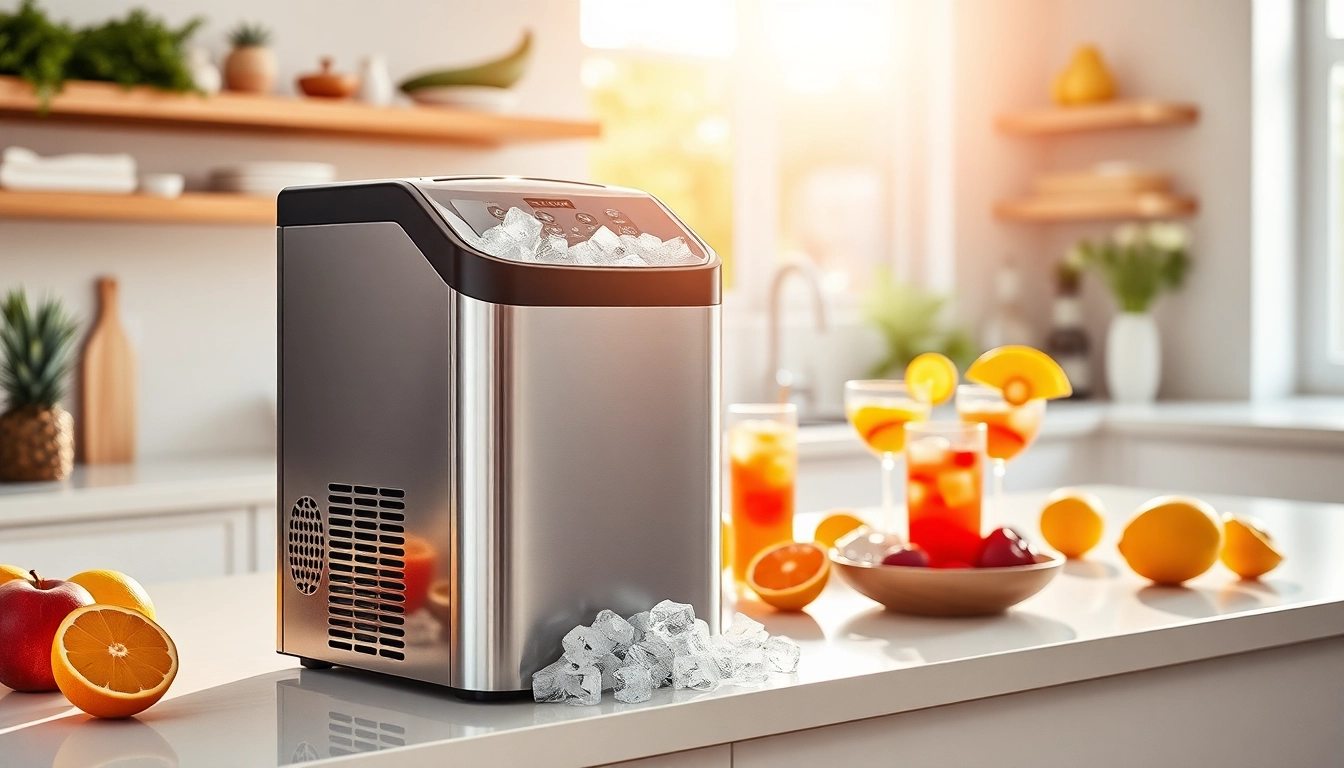
Countertop ice makers are ideal for home use due to their compact size and versatility. They're easy to operate, typically requiring only a water source and a power outlet. Key features to consider include:
- Production Rate: Most countertop ice makers can produce anywhere from 20 to 28 pounds of ice per day. Some models are capable of producing a batch in under 10 minutes.
- Ice Shape: Depending on the model, you may have options for bullet, nugget, or crescent-shaped ice, each catering to different beverage preferences.
- Portability: These units are lightweight and easily movable, making them perfect for gatherings, outdoor use, or small kitchens.
- Energy Efficiency: Many modern countertop ice makers come with Energy Star ratings to ensure that they are environmentally friendly and cost-efficient.
Built-In Ice Maker Options
Built-in ice makers are designed for permanent installation, usually as part of a kitchen remodel. They're integrated into cabinetry and provide a seamless and elegant look. Some notable features include:
- Capacity: Built-in models typically have a higher production capacity, producing 40 pounds or more of ice daily, suitable for larger households or entertaining.
- Direct Plumbing: They can be connected directly to your water supply, eliminating the need for manual refilling.
- Durability: Made from stronger materials, built-in units often last longer and resist wear and tear.
Portable Ice Maker Benefits
Portable ice makers offer unmatched flexibility for users who need ice on the go. They are perfect for camping, tailgating, or picnicking. Their benefits include:
- Easy Storage: Portable ice makers are typically smaller and can be easily stored when not in use.
- Quick Setup: Many models allow for instant ice production, with many reaching full ice production capacity in just a few hours.
- Versatility: Ideal for various outdoor activities, they don’t rely on a complicated setup—simply plug them in and fill the water reservoir.
How to Select the Right Ice Maker
Choosing the right ice maker involves considering several essential factors to ensure that the appliance meets your specific needs. Here, we break down key considerations that can help you make an informed decision.
Capacity Considerations
The first step in selecting an ice maker is determining the capacity you need. Think about how much ice you typically consume and how often you'll be using the machine. For instance:
- For small families, a countertop model producing around 20-28 pounds of ice per day may suffice.
- If you're often hosting parties with many guests, consider a built-in model that can produce 40 pounds or more daily to ensure a sufficient supply.
Ice Type Preferences
Different ice types suit different drinks and preferences. When selecting an ice maker, think about what types of ice you prefer:
- Bullet Ice: Most common for home use, perfect for cocktails and soft drinks.
- Nugget Ice: Chewy, soft texture great for mixed drinks or as chewable ice for kids.
- Crescent Ice: Best for cooling down drinks, gives a classic feel in high-end bars.
Energy Efficiency Ratings
As energy costs rise and sustainability becomes a pressing concern, checking the energy efficiency rating of an ice maker is crucial. Look for units with:
- Energy Star Certification: This ensures that the ice maker is designed to conserve water and energy, leading to savings on utility bills.
- Usage Reports: Some units provide insights into energy consumption, helping you gauge operational costs better.
Setting Up Your Ice Maker
Once you’ve selected an ice maker, setting it up correctly is vital for optimal operation and longevity. Here are some helpful tips on installation, maintenance, and troubleshooting.
Installation Tips
Installing your ice maker properly ensures that it operates efficiently. Here’s what to keep in mind:
- Location: Position your ice maker in a cool, dry area away from heat sources. Ensure there’s enough airflow around the unit.
- Water Supply: If you choose a built-in model, follow plumbing guidelines carefully to connect it to your water line without leaks.
- Electrical Requirements: Ensure that you have a dedicated power outlet nearby to avoid overheating issues.
Maintenance Best Practices
Regular maintenance is pivotal to ensure your ice maker operates at peak performance. Follow these guidelines:
- Cleaning: Clean the ice maker's interior and exterior often to prevent any bacteria or mold from forming.
- Water Filters: Change filters regularly if the model uses them to keep contaminants out of your ice.
- Ice Buildup: Check for and remove any ice buildup or clogs in the dispenser, which can hinder performance.
Common Troubleshooting Techniques
Even the best ice makers may face issues from time to time. Here are some common problems and troubleshooting tips:
- No Ice Production: Check if there is enough water or if the water line is kinked. Make sure the unit is plugged in and powered.
- Slow Ice Production: Ensure that the unit isn’t overfilled and is set to the proper ice-making cycle length.
- Bad Taste or Odor: This could be due to dirty water or old ice. Clean the unit and ensure fresh water is used.
Using Your Ice Maker Effectively
To maximize your ice maker's capabilities, you need to understand how to use it effectively. Whether it's for an event or simple day-to-day use, here’s how to get the best results.
Optimal Usage for Events
Planning for an event? Here are some tips to ensure you have sufficient ice:
- Pre-cool the Maker: Run the ice maker several hours before the event to stockpile ample ice.
- Plan the Ice Type: For cocktails, consider nugget or crescent ice, while bullet ice is suitable for water and soda.
- Monitor Ice Levels: Check the ice levels periodically during the event and have a backup plan if you run low.
Storage and Serving Suggestions
After making ice, how you store and serve it can elevate your experience:
- Use Ice Bags or Containers: Store ice in sealed bags or containers to prevent melting and contamination.
- Serve Quickly: Serve ice to guests promptly, as prolonged exposure to air can cause it to melt faster.
- Utilize Ice Chests: For outdoor events, use insulated chests to keep your ice frozen longer.
Creative Uses Beyond Drinks
Besides cooling beverages, ice can have various creative uses:
- Food Presentation: Use ice creatively to keep seafood or produce fresh during presentations.
- Cool Compress: Wrap ice in a cloth for a soothing compress to apply to injuries.
- In Cooking: Ice can be used in rapid cooling, like cooling down boiled potatoes quickly.
Frequently Asked Questions about Ice Makers
Is an ice maker worth the investment?
Yes! An ice maker saves time and trips to the store, providing ice on demand for your needs.
What types of ice makers are available?
There are countertop, built-in, and portable models, each catering to different needs and preferences.
How do I maintain my ice maker?
Regular cleaning, checking for clogs, and replacing filters as needed will ensure optimal performance.
Can I make different types of ice?
Yes, many models allow you to choose between crushed, nugget, or bullet ice, depending on your preference.
How long does it take to make ice?
Most ice makers produce their first batch in under 15 minutes, with varying capacities depending on the model.