Introduction to Double Girder Bridge Cranes
In the world of heavy lifting and material handling, the double girder bridge crane stands out as a superior choice for industries demanding robust performance and flexibility. This crane design, which utilizes two parallel girders, offers enhanced stability, load capacity, and versatility, making it an ideal solution for various industrial applications. As we delve deeper into this essential lifting equipment, we will explore its features, benefits, and the significant role it plays in modern industrial settings.
What is a Double Girder Bridge Crane?
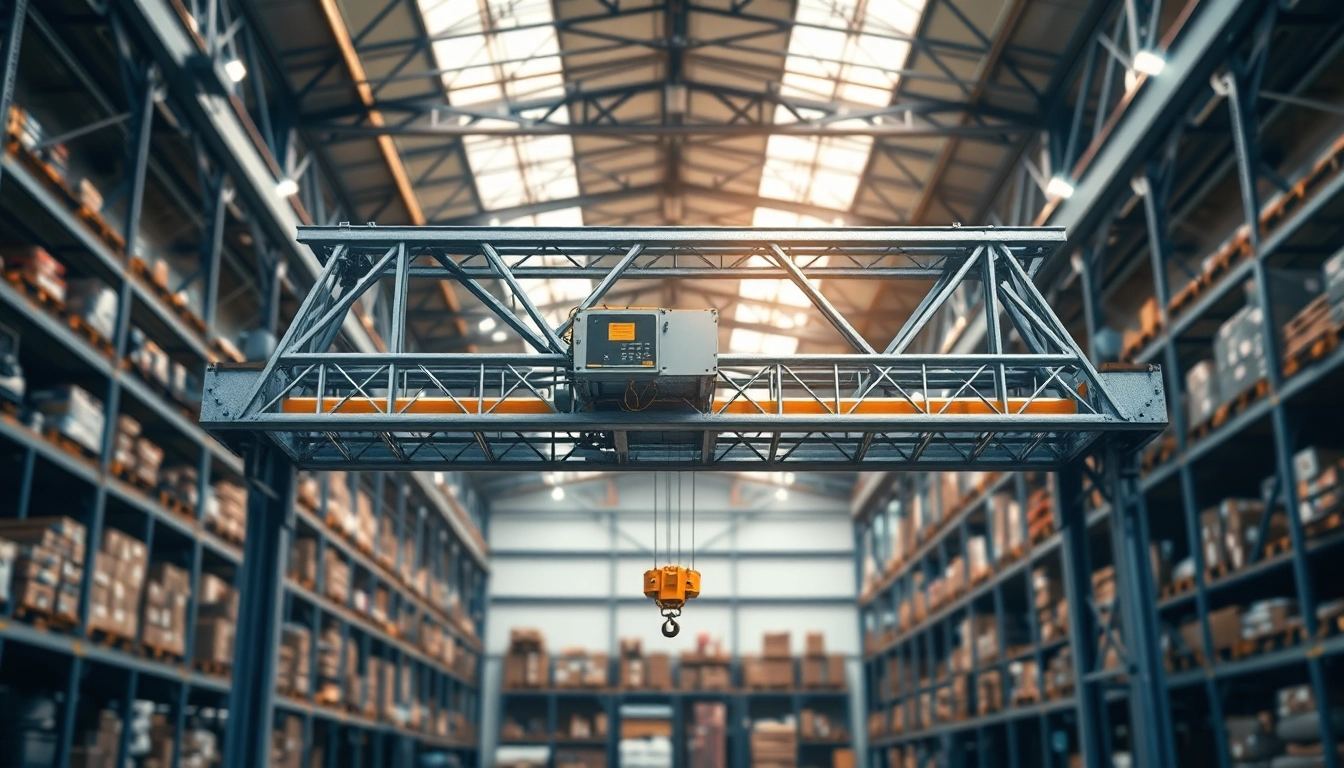
A double girder bridge crane features two main girders that span the width of the operational area, supported by end trucks that run along overhead tracks. Unlike single girder cranes, which utilize one girder, double girder cranes are designed to handle heavier loads, making them suitable for demanding operations. They are equipped with a hoist that travels along the girders, offering increased lifting heights and capacities. Typically, they are used in environments where extensive overhead space is available, and a high degree of safety and stability is required.
Key Features and Benefits
Double girder bridge cranes boast several notable features that enhance their utility:
- Increased Load Capacity: Capable of lifting loads exceeding 10 tons, these cranes are essential for heavy machinery and equipment handling.
- Better Stability: The dual girder design provides superior structural stability during operation, reducing the risk of sway or tipping.
- Flexibility in Design: Double girder cranes can be customized in terms of span, lift height, and operational speed, thus catering to specific industry needs.
- Enhanced Safety Features: Equipped with advanced safety mechanisms, double girder cranes minimize operational hazards, ensuring the safety of both operators and materials.
Common Applications in Industry
Double girder bridge cranes are widely used across various industries due to their versatility. Common applications include:
- Manufacturing: Ideal for assembly lines, heavy machinery installation, and material handling.
- Warehousing: Useful for loading and unloading goods, managing inventory, and facilitating logistics operations.
- Construction: Employed in building projects for lifting heavy materials and equipment into place.
- Shipping and Ports: Essential for handling containers and bulky cargo in docks and shipping yards.
Comparative Analysis: Double vs. Single Girder Cranes
Structural Differences and Advantages
The most significant difference between double and single girder cranes lies in their structural design. Single girder cranes consist of one beam, while double girder cranes have two. This fundamental difference leads to various advantages:
- Higher Lifting Capacity: Double girder cranes can accommodate larger hoists, allowing for heavier lifts.
- Increased Headroom: The design permits the hoist to travel higher, maximizing vertical space.
- Enhanced Stability: The two-girder system significantly improves load stability during lifting operations.
Cost Considerations and Long-Term Value
While double girder cranes may have a higher initial investment compared to single girder models, their long-term value often outweighs the upfront costs. The durability and operational efficiency of double girder cranes can lead to lower maintenance costs and fewer replacements, providing a better return on investment over time. Moreover, their adaptability allows businesses to meet changing production demands without needing to invest in new equipment frequently.
Performance Metrics for Heavy Lifting
Performance metrics are crucial for evaluating the efficiency of double girder cranes:
- Lifting Speed: Many double girder cranes can achieve lifting speeds of 10 to 20 m/min, enhancing productivity.
- Duty Cycle: Typically rated for medium to heavy-duty cycles, these cranes can operate continuously without significant downtime.
- Load Handling: With capacities ranging from 10 tons to over 250 tons, double girder cranes are adept at managing substantial loads.
Choosing the Right Double Girder Bridge Crane
Load Capacity and Span Requirements
When selecting a double girder bridge crane, understanding load capacity and span requirements is paramount. Factors to consider include:
- Expected Load: Assess the heaviest load your operations will require to determine an appropriate crane capacity.
- Span Length: Measure the distance between rails to ensure the selected crane fits your workspace effectively.
- Vertical Lift Height: Evaluate the necessary lift height to optimize your operations.
Customization Options for Specific Industries
Many manufacturers offer customization options to cater to the needs of various industries. Custom features may include:
- Specialized Hoists: Tailored hoisting systems for unique materials or equipment.
- Control Systems: Advanced automation and remote control features for improved operability.
- Safety Additions: Enhanced safety devices, such as anti-collision systems and overload protection, to ensure operators' safety.
Expert Recommendations for Optimal Performance
To ensure optimal performance from double girder bridge cranes, consider the following recommendations:
- Consult with Experts: Engage with experienced consultants or manufacturers to assess your specific needs and determine the best crane type.
- Training for Operators: Invest in training programs for operators to enhance safety and efficiency.
- Regular Maintenance: Schedule periodic inspections and maintenance to prevent operational failures and prolong the crane's lifespan.
Maintenance Best Practices for Longevity
Routine Inspection Guidelines
Routine inspections are vital for maintaining the integrity and performance of double girder cranes. Guidelines should include:
- Daily Checks: Inspect critical components such as hooks, cables, and brakes before operation.
- Monthly Evaluations: Conduct comprehensive evaluations of mechanical and electrical systems for wear and tear.
- Annual Professional Inspections: Engage third-party professionals for thorough safety checks and maintenance assessment.
Common Repairs and Troubleshooting Tips
Common issues can arise with double girder cranes; being proactive can help mitigate the need for large repairs:
- Wear and Tear: Address any signs of wear promptly to prevent further damage.
- Electrical Issues: Regularly check wiring and electrical connections to avoid malfunctions.
- Operational Problems: Keep documentation of any unusual sounds or operational hiccups to diagnose issues quickly.
Implementing a Maintenance Schedule
Establishing a maintenance schedule is essential for tracking inspections and repairs. Effective schedules may include:
- Daily Logs: Keeping daily inspection logs to record findings and actions taken.
- Monthly Reviews: Organizing monthly meetings to discuss maintenance status and any emerging issues.
- Annual Maintenance Plans: Developing long-term maintenance plans based on manufacturer recommendations and operational demands.
Future Trends in Crane Technology for 2025
Innovations in Automation and Safety Features
As technology continues to evolve, crane systems are expected to incorporate advanced automation and safety features, such as:
- AI-Driven Controls: Implementing artificial intelligence to optimize load management and operational efficiency.
- Remote Monitoring: Utilizing IoT (Internet of Things) technology for real-time monitoring and diagnostics.
Why Sustainability Matters in Crane Design
Sustainability is becoming a pivotal concern in crane design, emphasizing:
- Energy Efficiency: Developing cranes that consume less energy during operation, thereby reducing overall carbon footprints.
- Recyclable Materials: Using materials that are recyclable at the end of the crane's life cycle to promote ecological responsibility.
Predictions for Industry Growth and Demand
The demand for double girder bridge cranes is anticipated to grow as industries scale up operations and seek efficient solutions for heavy lifting. Innovations in technology and increased global infrastructure projects are expected to drive this demand forward, resulting in significant investments in crane technology across various sectors.